Protecting Our Children:
The Importance of Sunscreen
Sun Care
How to apply sunscreen and keep children's skin safe

Children's sunscreen is essential to protect delicate skin from the harmful effects of ultraviolet (UV) rays. During childhood, the skin is more sensitive and vulnerable to sun damage, as melanin production—the natural pigment offering some protection against UV rays—is limited. Without proper protection, the risk of sunburn and premature skin aging increases. Using sunscreen is not only an immediate protective measure but also a way to ensure long-term skin health. Studies indicate that about 80% of lifetime sun exposure occurs before the age of 18, highlighting the importance of early skin protection. Additionally, consistent sunscreen use helps create self-care habits that carry over into adulthood, promoting preventive health. Parents and caregivers should pay attention to choosing the ideal product, considering formulations suitable for children's skin, water resistance, and broad-spectrum protection against UVA and UVB rays.
The Importance of Using Sunscreen Even on Cloudy Days
Many people believe sunscreen is unnecessary on cloudy days or when the sky is overcast. However, up to 80% of UV rays can penetrate clouds and reach the skin. For children, this means exposure to sun damage can occur regardless of the weather. Using sunscreen daily, even when the sun is not visible, ensures children's skin is protected from the harmful effects of UVA and UVB rays. Maintaining a sunscreen routine, regardless of the weather forecast, is crucial to preventing long-term skin damage.
Ingredients and Functions of Children's Sunscreens
Children's sunscreens are formulated with specific ingredients to provide high efficacy with low risk of irritation. There are two main types of sunscreen filters:
- Physical (or mineral) filters: Ingredients such as zinc oxide and titanium dioxide create a physical barrier on the skin that reflects UV rays. They are ideal for children due to their gentleness and lower risk of irritation, making them especially recommended for sensitive skin.
- Chemical filters: These, like avobenzone or octisalate, absorb UV rays and convert them into heat. Although effective, they can cause irritation on delicate skin and are less recommended for children.
Both types of filters have their roles, but physical filters are generally preferred for children due to their proven safety.
Examples of Sunscreen Products for Children
Choosing the right product can be challenging. Here are some recommended options:
- Sensitive Protect Kids Trigger SPF50+ by Eucerin: Offers SPF50+ protection with physical filters, ideal for sensitive skin and outdoor activities. Water-resistant.
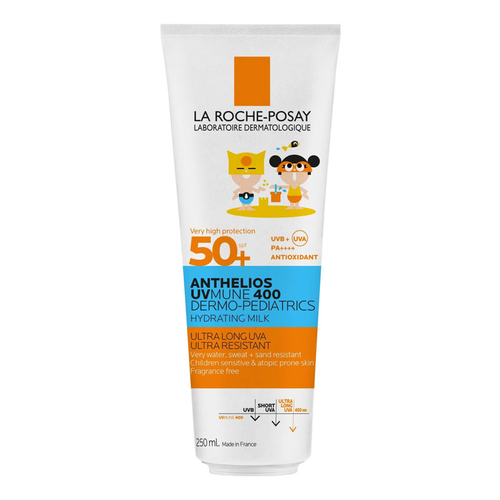
- Anthelios Pediatric Hydrating Milk SPF50+ by La Roche-Posay: Lightweight and hydrating formula with high tolerance, ideal for dry and sensitive skin.
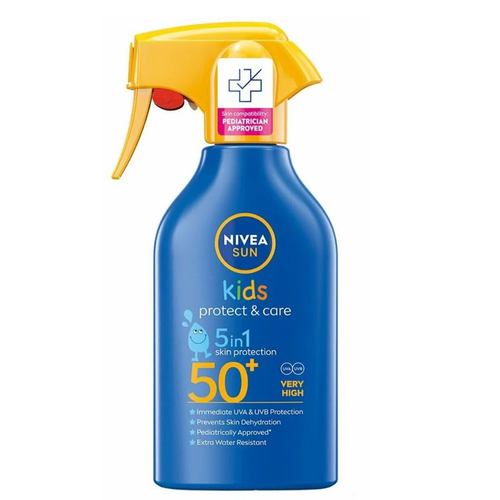
- Sun Kids Protect & Care 5 in 1 SPF50 by Nivea: Combines protection, hydration, and water resistance, ideal for daily use.
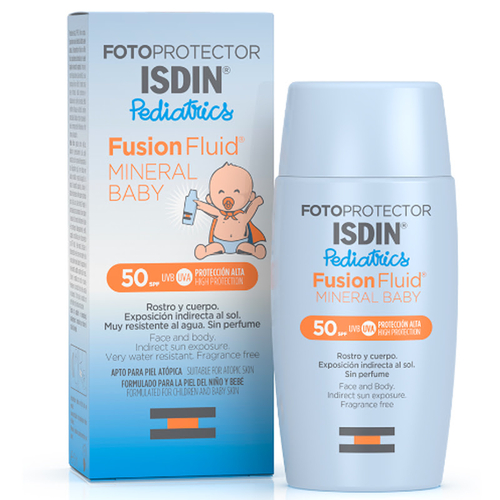
- Fotoprotector Pediatric Fusion Fluid SPF50 by Isdin: Fluid texture, high water resistance, and easy application, perfect for aquatic activities.
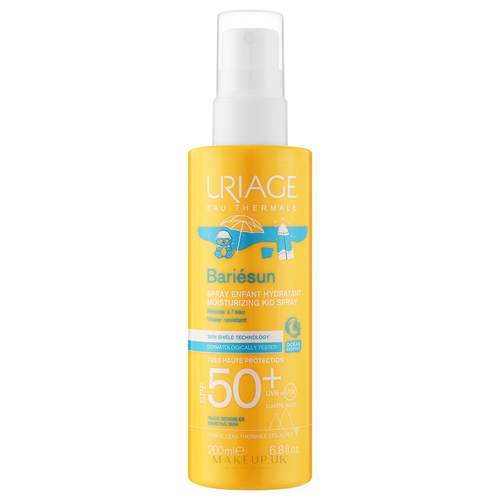
- Bariésun Moisturizing Kid Spray SPF50+ by Uriage: Hypoallergenic, fragrance-free formula, water-resistant, and convenient for frequent use.