Complete Guide to Radiant and Healthy Skin
Sun Care
How to Choose the Ideal Facial Sunscreen: Tips for Efficient Skin Protection

Sunscreens for the face are essential allies in skincare routines, offering an effective barrier against damage caused by the sun's UV rays. In this comprehensive guide, we will explore the crucial role of these products in protecting facial skin, discuss the different types available, provide guidance on how to choose the ideal sunscreen, and suggest popular products to help you find the best option for your skin.
What are Facial Sunscreens and What are They For?
Facial sunscreens are products specifically designed to protect the delicate skin of this area from damage caused by exposure to the sun's UV rays. They play a crucial role in preventing sunburn, skin damage, and premature aging by providing a layer of protection against the sun's harmful effects.
These products are fundamental because they protect against UVB rays, reducing the risk of skin irritation and discomfort, as well as minimizing the harmful effects of prolonged tanning, helping to maintain an even and healthy appearance. Additionally, they prevent premature aging, such as wrinkles and sun spots, keeping the skin healthy and radiant over time.
Types of Facial Sunscreens
There are several types of facial sunscreens, each with specific characteristics:
Chemical Sunscreen: Absorbs UV rays and is ideal for daily use. Try the Protect Invisible Fluid SPF50+ by A-Derma.
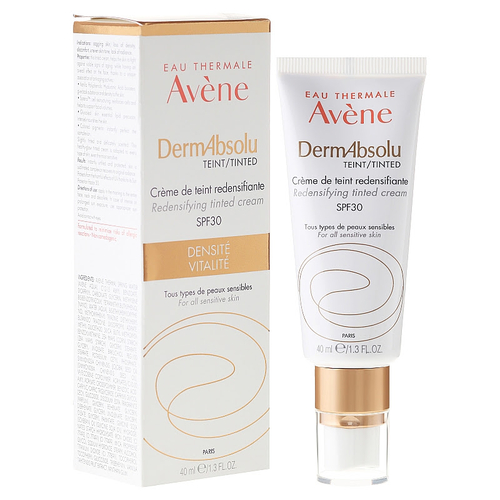
Physical (Mineral) Sunscreen: Reflects UV rays and is less irritating for sensitive skin. The DermAbsolu Teint Crème Jeunesse SPF30 by AVÈNE is recommended.
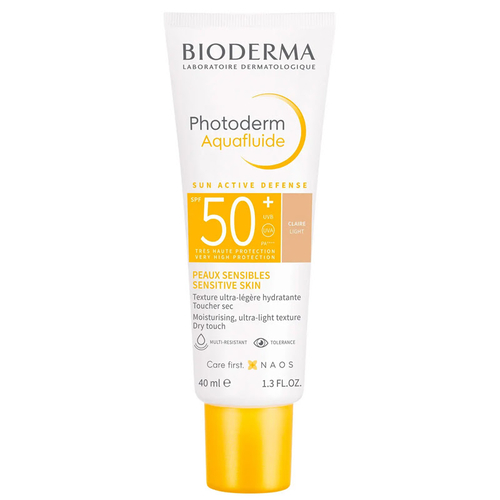
Hybrid Sunscreen: Offers broad protection by combining chemical and physical benefits. The Photoderm Aqua Dry Touch Sensitive SPF50+ Light by Bioderma is a good option.
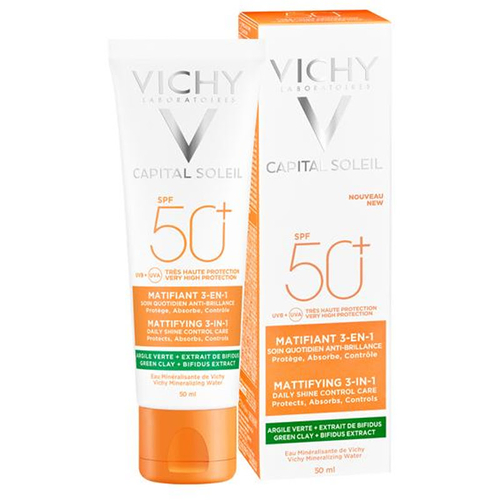
Powder Sunscreen: Practical for touch-ups throughout the day, ideal for oily skin. Try the Capital Soleil Mattifying 3-in-1 SPF50+ by Vichy.
Packaging and Sizes: Find the Perfect Packaging for Your Routine
Regarding packaging and sizes, it is important to choose a practical and convenient packaging for your routine. They can range from bottles to individual sachets, with sizes from 30 ml to 100 ml for regular use, and 10 g to 20 g for compact travel packaging.
How to Choose the Ideal Facial Sunscreen: Tips for Efficient Skin Protection
When choosing the ideal facial sunscreen, consider some points to ensure effective skin protection. First, choose the SPF according to your skin type and sun exposure, with a minimum SPF of 30 recommended for daily use. Check if the product offers protection against UVA and UVB, prioritizing broad-spectrum sunscreens. Then, choose a formulation suitable for your skin type, considering specific products for sensitive, oily, dry skin, among others. Finally, opt for a comfortable texture and a finish that suits your preferences, experimenting with different formulations until you find the ideal one for you.
Benefits and Disadvantages of Using Facial Sunscreen
Benefits:
Sun Protection: Facial sunscreen creates a barrier against UV rays, preventing sunburn, skin damage, and premature aging.
Anti-Aging: Helps avoid wrinkles, dark spots, and loss of elasticity, resulting in younger-looking skin for longer.
Reduced Cancer Risk: By protecting against cumulative sun damage, it can help decrease the risk of developing skin cancer.
Skin Health: Some products contain moisturizing ingredients, antioxidants, and other beneficial components, contributing to overall skin health.
Even Skin Tone: Regular use of sunscreen can prevent sunspots and discoloration, promoting a more even and radiant complexion.
Disadvantages:
Skin Feel: Some sunscreens may have a heavy, oily texture or leave a white cast, especially unpleasant for oily or sensitive skin.
Allergic Reactions: Certain ingredients can cause irritations, rashes, or other allergic reactions in some people.
Possible Pore Blockage: Oily or heavy products can clog pores, increasing the risk of acne, especially in acne-prone skin.
Difficult Removal: Some sunscreens are hard to remove completely, requiring extra effort in cleansing, especially waterproof ones.
Cost and Availability: Quality sunscreens can be expensive, and finding the ideal product for each skin type and individual preference can be challenging.