Children's Perfumes: Light Fragrances for Little Explorers
Fragrances
Exploring the World of Children's Perfumes: A Complete Guide for Parents and Caregivers

Variety of Fragrances and Presentations
Children's perfumes are available in a wide range of fragrances and concentrations, catering to individual preferences. They can be found as Eau de Cologne, known for their lightness and softness, or as Eau de Toilette, offering a more enduring sensory experience. Additionally, these products come in various formats, such as spray, splash, or roll-on, providing easy and precise application.
When choosing a children's perfume, it's important to consider the aroma's intensity, durability, and fragrance ingredients. It's recommended to apply the perfume on areas like the neck, wrists, and behind the ears, avoiding contact with the eyes and mucous membranes. It is crucial to avoid excessive use of perfume to prevent overloading the child's sense of smell and to avoid possible skin irritation. Opt for mild fragrances with low concentration to ensure a pleasant and safe experience.
Several renowned brands offer high-quality children's perfumes with fragrances specially developed for kids. Some recommended products include:
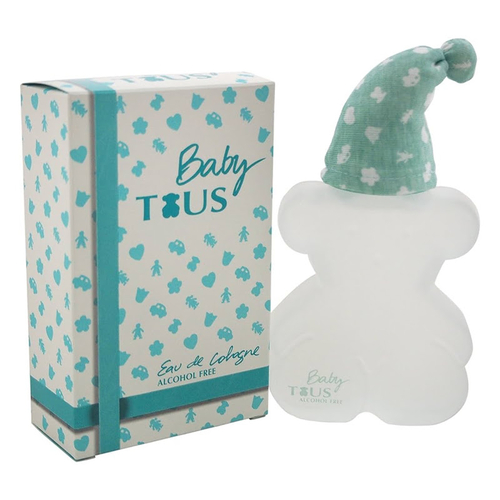
Baby Eau de Cologne by Tous: A delicate and charming fragrance, ideal for daily use, with an attractive and fun packaging that appeals to children.
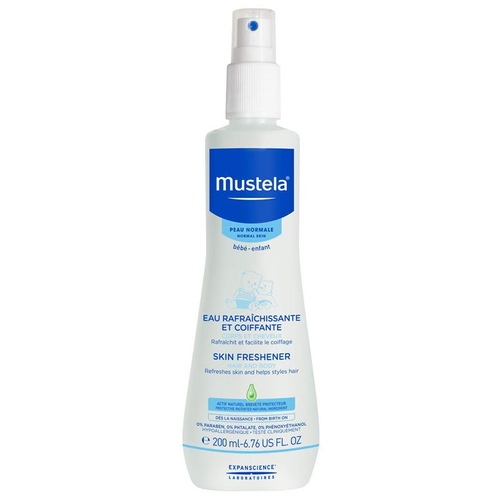
Skin Freshener by Mustela: A gentle and refreshing fragrance, formulated for the sensitive skin of babies, providing a sense of cleanliness and comfort.
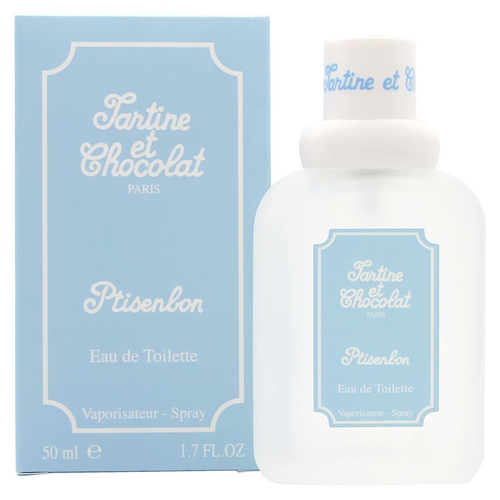
Tartine Et Chocolat EDT W/ALC by GIVENCHY: A sophisticated and elegant fragrance, perfect for special occasions, with floral and woody notes that add charm and elegance.
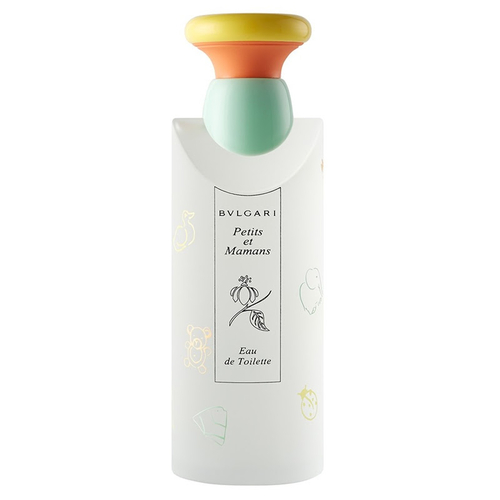
Bulgari Petits et Mamans by BVLGARI: A light and comforting fragrance with citrus and floral notes, providing a sense of freshness and well-being.
Benefits of Using Children's Perfumes
Sensory Stimulation and Cognitive Development: Children's perfumes offer a unique sensory experience, stimulating the child's senses. The sense of smell is one of the most powerful, capable of evoking memories and emotions. By experiencing different fragrances, children can develop cognitive skills, associating different smells with different experiences, places, or people. This contributes to sensory and cognitive development, promoting curiosity and imagination.
Care Ritual and Well-being: Introducing perfume use into a child's hygiene and beauty ritual can turn a simple activity into a special moment of connection and affection. By applying perfume, parents or caregivers can provide a gentle massage, conveying comfort and tranquility to the child. This moment of care and affection contributes to strengthening family bonds and promoting the child's emotional well-being.
Self-expression and Self-esteem: Using perfume allows children to express their individuality and personality. By choosing their favorite fragrance, they can develop a sense of identity and confidence. Additionally, receiving compliments and praise about their perfume can boost the child's self-esteem, promoting a positive self-image and strengthening their self-confidence.
Sense of Cleanliness and Freshness: The gentle and refreshing fragrances of children's perfumes provide a sense of cleanliness and freshness, especially after a bath. This invigorating feeling can help the child feel more awake and energized, preparing them for daily activities with vitality and enthusiasm.
Comfort and Security: For many children, using perfume can be comforting and reassuring, especially during times of stress or anxiety. The familiar and recognizable aroma of the perfume can act as a "scented hug," offering comfort and security when needed. This positive association with perfume can create lasting emotional memories and contribute to the child's emotional well-being.
In summary, children's perfumes offer a range of benefits beyond just providing a pleasant scent. They stimulate the senses, promote cognitive development, strengthen family bonds, boost self-esteem, provide a sense of cleanliness and freshness, and offer emotional comfort and security. Therefore, when choosing a perfume for your child, consider not only the scent but also the emotional and psychological benefits it can offer.