Essential Care for Your Foot Health
Bath & Body
Complete Guide to Foot Care: Daily Health and Well-being

What are the most commonly used ingredients and their functions?
Foot care products use a variety of natural and synthetic ingredients to provide specific benefits. Here are some of the most common ingredients and their functions:
Natural Oils: Oils like almond, coconut, and tea tree are often used in foot care products. They help moisturize the skin, reduce joint pain and swelling, and have antibacterial and antifungal properties that prevent infections.
Salicylic Acid: This ingredient is known for its exfoliating and anti-inflammatory properties. It promotes healing of minor wounds and helps remove dead skin, preventing the buildup of calluses and other imperfections.
Lactic Acid: A gentle exfoliant that also has moisturizing properties. It helps cleanse the skin and keep it soft and smooth, preventing dryness and cracks.
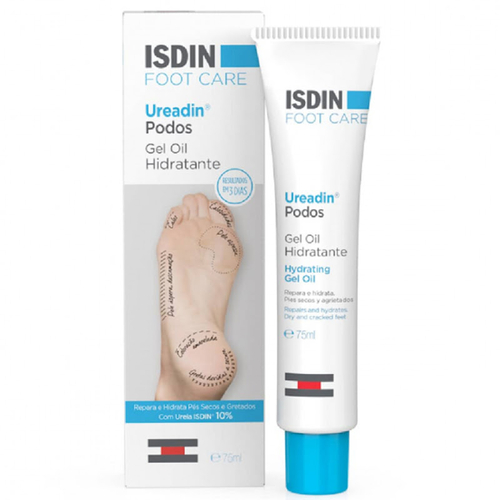
Urea: This ingredient is highly effective in moisturizing the skin. It helps maintain moisture, preventing dryness and callus formation. However, it's important to note that individuals with diabetes should avoid products containing urea due to the risk of complications.
What various types exist and what are their differences?
Foot care can be classified into three main categories: anti-odor, exfoliating, and comfort. Each type has specific characteristics and is formulated to address different needs.
Anti-odor: These products are usually sprays that neutralize foot odor. They contain antibacterial ingredients that help prevent infections and eliminate odor caused by sweat. An example is Dr. Hauschka's Deodorising Foot Cream, which not only neutralizes odors but also moisturizes and softens foot skin.
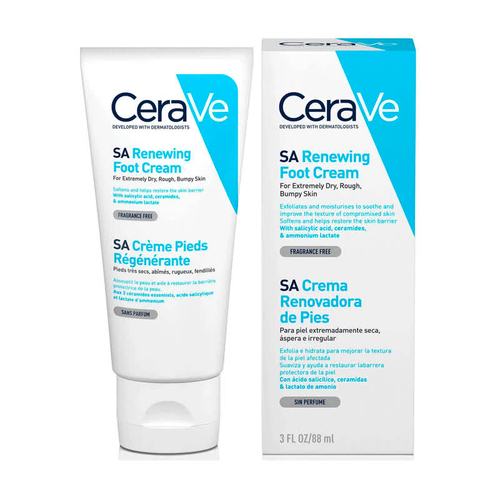
Exfoliating: These are creams or gels that remove dead skin cells, moisturize, and soften. They contain exfoliating ingredients like salicylic acid and lactic acid, which help keep foot skin soft and healthy. Cerave's Renewing SA Foot Cream is an excellent example of an exfoliant, as it contains salicylic acid and urea to exfoliate and hydrate the skin.
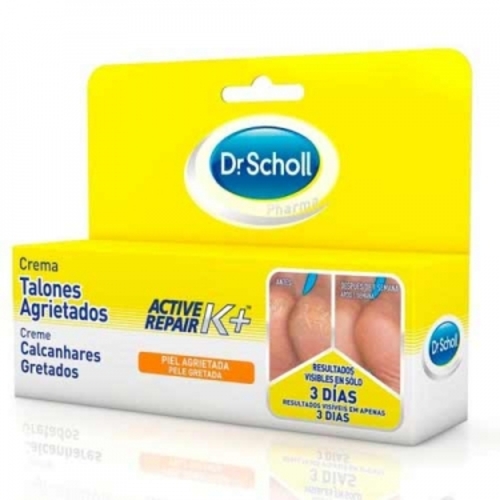
Comfort: These products include creams and gel insoles that help relieve swelling and pain. They are formulated with moisturizing and soothing ingredients that provide immediate comfort to tired feet. Dr. Scholl's K+ Cracked Heel Repair Cream, for example, repairs heel cracks, providing relief and comfort.
Tips and Usage Suggestions
To get the best results from foot care products, follow these tips and usage suggestions:
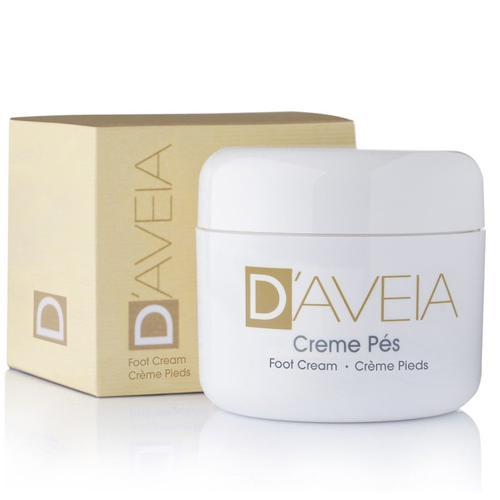
Creams and Gels: Apply a generous amount of the product to the soles of the feet and massage in circular motions, working up to the heels. It is recommended to apply twice daily, in the morning and evening. D'Aveia's Foot Cream is excellent for daily use, providing prolonged hydration and comfort.
Sprays: Apply the spray to clean, dry feet. Allow the product to fully absorb before putting on shoes. Use as needed throughout the day to keep feet fresh and odor-free. Dr. Hauschka's Deodorising Foot Cream is a great option for those needing an effective foot deodorant.
Gel Insoles: Remove the existing insole from the shoe and replace it with the gel insole, with the gel side facing down. Ensure the insole fits snugly inside the shoe to avoid discomfort when walking. Dr. Scholl's gel insoles are designed to provide support and cushioning throughout the day.
Benefits and Limitations
Regular use of foot care products can bring many benefits, but it's also important to be aware of potential limitations:
Benefits:
Immediate Relief: Products like moisturizing creams and gel insoles provide immediate relief from pain and discomfort.
Prevention of Problems: Anti-odor and exfoliating products help prevent issues like fungal infections and calluses.
Improved Skin Health: Moisturizing and exfoliating ingredients keep foot skin healthy and well-cared for.
Limitations:
Allergic Reactions: Some ingredients may cause allergic reactions in individuals with sensitive skin. It's important to test the product on a small area of skin before widespread use.
Variable Effectiveness: Not all products work the same way for everyone. It may be necessary to try different products to find what best suits your needs.