Atopic Dermatitis: How to Care for Sensitive Skin and Regain Comfort
Health Care
Learn to recognize the symptoms and choose the best care.

Daily Care: The Foundation of Treatment
The secret to controlling atopic dermatitis lies in daily hydration and protection of the skin barrier. The more consistent the skincare routine, the more balanced the skin remains — and the less frequent the flare-ups become.
After bathing, it’s essential to apply an emollient cream that helps restore lipids and reinforce the skin’s natural barrier. An excellent example is the Stelatopia+ Lipid-Replenish Cream by Mustela, specially formulated for atopic skin, even the most sensitive and fragile. Enriched with natural-origin ingredients, it helps relieve itching, reduce extreme dryness, and provide an immediate feeling of comfort.
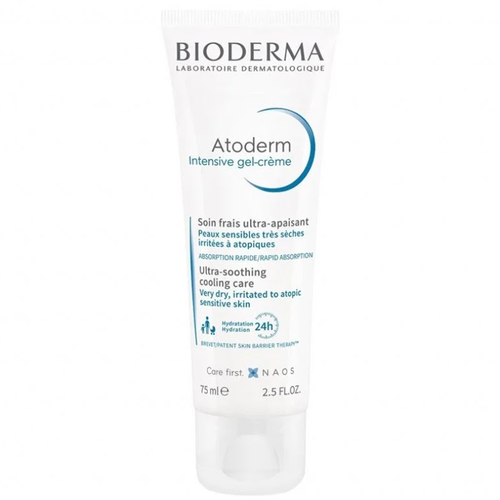
Another important ally is gentle cleansing gels, soap-free and respectful of the skin’s natural pH. Choosing products such as Lipikar Syndet AP+ by La Roche-Posay or Atoderm Gel by Bioderma can make all the difference, cleansing without aggression.
Practical Tips to Reduce Flare-Ups
Small daily changes help keep the skin balanced:
- Avoid very hot or prolonged baths — hot water removes the skin’s natural moisture.
- Gently pat the skin dry without rubbing.
- Prefer cotton clothing that allows the skin to breathe.
- Keep bedroom humidity balanced, especially during colder months.
- Use fragrance-free and dermatologically tested products formulated for sensitive skin.
During flare-ups, it may be necessary to use soothing products or, in more severe cases, medical treatment prescribed by a dermatologist. However, the foundation remains daily and consistent care.
The Importance of Choosing the Right Products
Those living with atopic dermatitis know that choosing the right products makes all the difference. Lipid-rich body creams, such as Stelatopia by Mustela, help restore the skin’s softness and elasticity, while gentle cleansing products prevent further irritation.
With patience and consistency, it’s possible to achieve calmer, more comfortable, and healthier skin — even for the most sensitive types.
The most characteristic symptoms of atopic dermatitis include intense skin dryness, persistent itching, redness, and, in some cases, flaking or small wounds caused by scratching. The most affected areas are usually the face, neck, hands, elbows, and the back of the knees. During flare-ups, the skin may become thicker and more sensitive, requiring constant daily care to restore comfort and hydration.
The ideal products are emollient and relipidating creams formulated to strengthen the skin barrier and reduce inflammation and itching. Products with soothing and fragrance-free ingredients are the most suitable. An excellent example is the Stelatopia+ Lipid-Replenish Cream by Mustela, indicated for atopic skin, which deeply nourishes, relieves itching, and helps restore the skin’s natural softness. These creams should be applied daily, preferably after bathing, to maintain hydration for longer.
No, atopic dermatitis is not contagious. It is a chronic inflammatory skin condition with genetic and environmental origins, not transmitted through physical contact. Even though the lesions may resemble skin infections, there is no risk of contagion. What happens is an exaggerated immune system response to external irritants, resulting in inflammation and discomfort.
Maintaining a consistent skincare routine is essential to prevent flare-ups. It’s important to moisturize the skin at least twice a day, use gentle soap-free cleansers, avoid very hot and prolonged baths, and prefer cotton clothing that allows the skin to breathe. Additionally, strong fragrances and harsh detergents should be avoided. Continuous hydration and protection against external aggressions are the best ways to keep the skin calm and healthy.
There are several effective options to soothe atopic skin in both babies and adults. The Stelatopia+ Lipid-Replenish Cream by Mustela is one of the safest and most recommended choices for the whole family, thanks to its natural and calming formula. Other complementary products include Lipikar Baume AP+M by La Roche-Posay, ideal for dry and irritated skin, and Atoderm Intensive Baume by Bioderma, which helps restore the skin barrier and reduce itching. Choosing gentle products suited to atopic skin is essential for lasting relief.