Hair Coloring: Tips, Products, and Advices
Hair Care
Everything you need to know for a reliable and stunning transformation
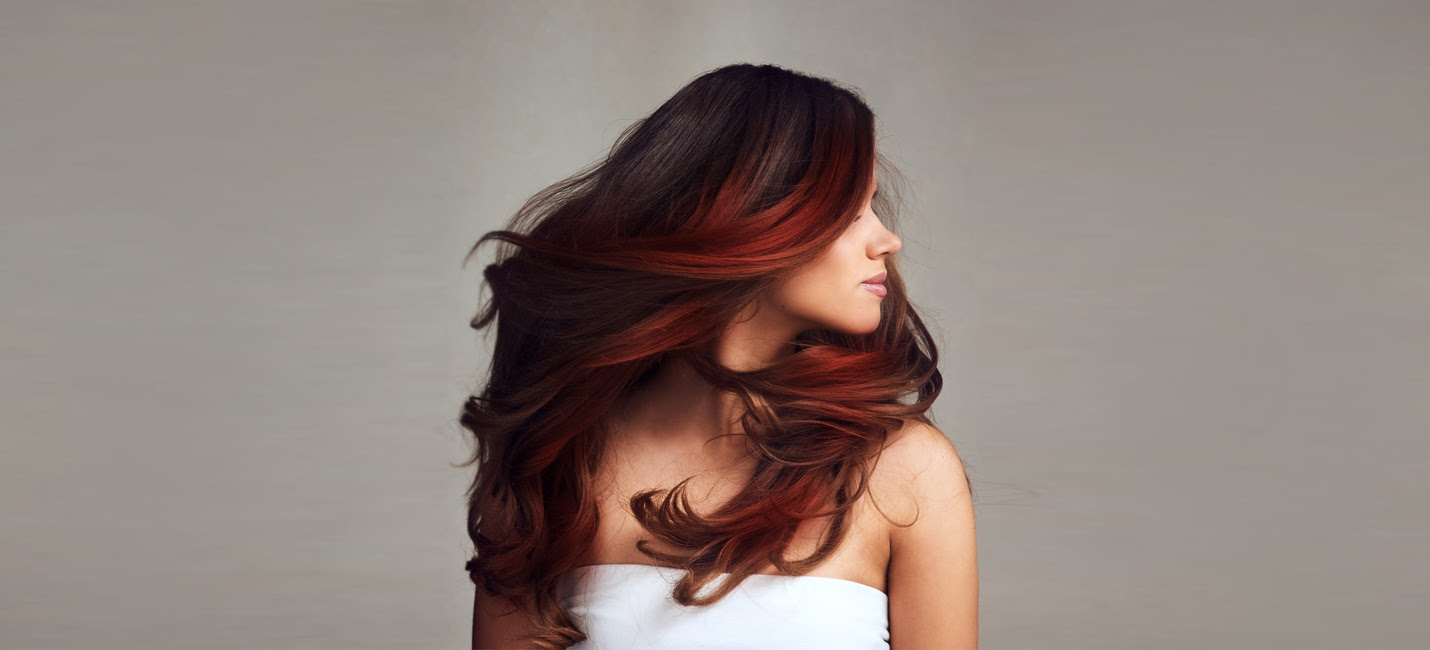
Hair Coloring is one of the oldest and most effective secrets to transforming your look and enhancing the natural beauty of your strands. In this article, we'll explore the different types of hair coloring, their ingredients, usage tips, and the pros and cons of this popular process. Additionally, we'll present some suggestions for renowned products to achieve stunning results.
Types of Hair Coloring
The variety of hair coloring options may seem overwhelming, but understanding the different types available can help you choose the best option to meet your needs and desires.
Temporary: Temporary hair color is a popular choice for those looking to experiment with a color change without long-term commitment. This option is ideal for special occasions or testing a new shade before fully committing. It typically lasts an average of six to eight washes, depending on the product quality and hair porosity.
Semi-permanent: Semi-permanent color offers a more lasting option than temporary, discreetly covering white hairs and enhancing the natural shine of the hair. This formulation is free from ammonia and peroxide, making it a gentler choice for sensitive hair. Duration varies according to hair porosity and post-coloring care, usually lasting from four to six weeks.
Permanent: Permanent coloring is the most lasting and versatile option, allowing significant changes in hair color, whether lightening, darkening, or completely altering the shade. This type of coloring uses a formulation that penetrates deeply into the hair cortex, providing long-lasting results. Root touch-ups are typically needed every four to six weeks, depending on hair growth and desired color.
When choosing between these types of coloring, consider your personal preference, lifestyle, and level of commitment to the desired color. Whatever your choice, be sure to follow the product instructions carefully and perform strand and sensitivity tests as needed to ensure satisfactory results and minimize hair damage.
Features and Suggestions
Hair coloring is composed of various ingredients, each playing a fundamental role in the coloring process.
Base Cream: Water-based emulsion that forms the base of the coloring.
Color Precursors: Colorless molecules that penetrate the hair strands and form color molecules.
Dyes: Color molecules developed to provide desired highlights.
Alkaline Agent: Responsible for opening the hair cuticle to allow penetration of active ingredients.
Antioxidants and Complexing Agents: Assist in the stability and quality of the coloring.
To achieve professional results at home or in the salon, we recommend some high-quality products:
Flash Lift Blonde Idol by REDKEN: Ideal for lightening and neutralizing yellow tones.
Revlonissimo Colorsmetique Satinescent by REVLON PROFESSIONAL: Offers a wide range of vibrant and long-lasting colors.
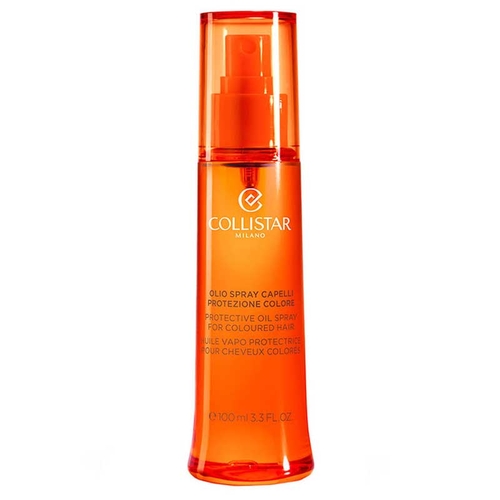
Protective Oil Spray For Colored Hair by COLLISTAR: Protects and nourishes colored hair, providing shine and softness.
Igora Royal 3% 10 Vol. by SCHWARZKOPF: Gentle oxidizer for delicate and precise coloring.
Usage Advice and Tips
To ensure flawless results and protect the health of your hair, it's important to follow some guidelines:
Sensitivity Test: Before applying any coloring product, it's advisable to perform a sensitivity test on the skin to check for possible allergic reactions. Apply a small amount of the product behind the ear or on the forearm and wait 24 hours to assess any reaction.
Proper Preparation: Ensure that the hair is clean and free from product buildup, such as sprays or mousses. Avoid washing the hair immediately before coloring, as the natural oils on the scalp can help protect the scalp during the process.
Scalp Protection: Use a protective barrier, such as vaseline or moisturizing cream, around the hairline and ears to prevent unwanted skin stains during coloring application.
Even Application: Divide the hair into sections and apply the color evenly, ensuring that all strands are covered. Use a brush or applicator to distribute the product precisely and avoid blotches or untreated areas.
Processing Time: Strictly adhere to the processing time indicated on the product packaging. Leaving the color for longer than recommended can result in hair damage and undesired color.
Thorough Rinse: After the processing time, rinse the hair thoroughly with lukewarm water until the water runs clear. Use a mild shampoo and conditioner specifically for colored hair to ensure complete removal of the product and maintain vibrant color for longer.
Post-Coloring Care: After coloring, avoid washing the hair frequently in the first few days to prolong the color's durability. Use specific products for colored hair and avoid excessive exposure to sunlight, chlorine, and seawater, which can fade the color more quickly.
Pros and Cons of Hair Coloring
Like any chemical process, hair coloring has advantages and disadvantages:
Advantages: Effective coverage of white hairs, variety of available tones, less intense damage compared to permanent dyes, possibility of application during pregnancy, and results close to natural color.
Disadvantages: Possibility of damaging the hair, limited duration of temporary coloring, potentially harmful ingredients to hair health.
With this information, you'll be ready to choose the ideal coloring and achieve stunning results while keeping your hair healthy and beautiful. Experiment and enjoy a refreshed and stylish look!