Stretch Marks & Firmness
Taiwan
Stretch Mark and Firming Care for Pregnancy and Postpartum Skin.
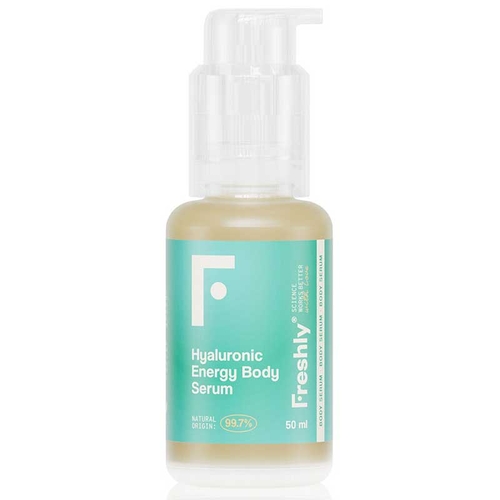
Hyaluronic Energy Body Serum
FRESHLY COSMETICS
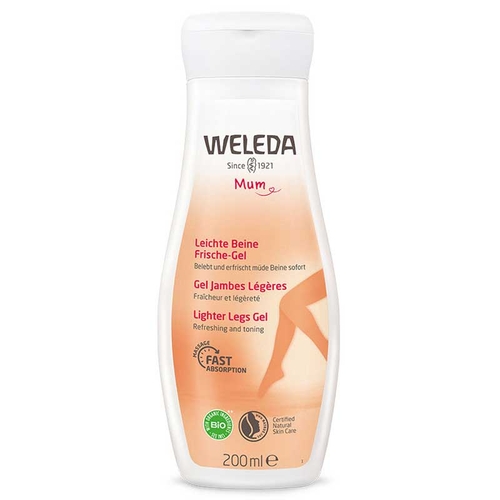
Mum Lighter Legs Gel
WELEDA

Essential Stretch Mark Care
SUAVINEX

Essential Strech Marks Care
SUAVINEX

Bio Stretch Marks Oil
MUSTELA
About Stretch Marks and Firmness
Stretch marks are skin marks that appear when the skin's elasticity is compromised, usually due to rapid body changes such as accelerated growth, pregnancy, or significant weight fluctuations. Although common, stretch marks can affect self-esteem and overall well-being, making it essential to pay at... show more
Preventing stretch marks during pregnancy involves constant hydration and maintaining skin elasticity. Creams, oils, and lotions rich in shea butter, sweet almond oil, and vitamin E help keep the skin flexible and protected. Circular massages on prone areas such as the abdomen, breasts, hips, and thighs stimulate circulation and support skin elasticity. A balanced diet rich in vitamins A, C, and E, collagen, and essential fatty acids aids in skin regeneration. Avoiding rapid weight gain and tight clothing also helps prevent stretch marks. Combining hydration, nutrition, and physical care is effective in reducing risk and maintaining healthy skin throughout pregnancy.
Firming creams stimulate the production of collagen and elastin, proteins essential for skin elasticity. Formulas enriched with active ingredients such as centella asiatica, hyaluronic acid, plant oils, and nourishing butters strengthen the skin barrier and promote deep hydration. Applied regularly, usually twice a day, they help reduce sagging and prevent stretch marks, especially on the abdomen, breasts, and thighs. Gentle massages during application improve circulation and enhance nutrient absorption. Combining firming cream use with healthy habits and adequate hydration ensures more toned, elastic skin that is resilient to the body changes during pregnancy and postpartum.
Oils and creams for stretch marks have complementary functions. Body oils, such as rosehip or sweet almond oil, are light, absorb quickly, and deeply nourish, improving elasticity. They are ideal for daily massages and prevention. Firming creams have a denser texture and contain active ingredients such as collagen, elastin, and hyaluronic acid, which stimulate regeneration and combat sagging. While oils focus on hydration and prevention, creams act on firmness and the treatment of existing stretch marks. Combining both provides more effective results in skin health, elasticity, and firmness during and after pregnancy.
Anti-sagging care can begin as soon as the doctor clears postpartum activities, usually within the first few weeks. Firming moisturizers, nourishing oils, and creams with vitamin E, collagen, and hyaluronic acid help restore elasticity and firmness. Gentle massages and light exercises recommended by a healthcare professional tone muscles and improve circulation. Maintaining a daily routine, applying products after showering, maximizes results. Starting early promotes skin regeneration, reduces stretch marks and sagging, and ensures comfort and self-esteem for mothers who experienced significant body changes during pregnancy.
Keeping skin toned after motherhood involves constant hydration, nutrition, and proper exercises. Firming creams, nourishing oils, and products with collagen and elastin strengthen skin elasticity. A balanced diet rich in vitamins, antioxidants, and essential fatty acids supports skin regeneration. Light exercises, such as pilates or walking, tone muscles and improve circulation. Daily massages on areas prone to sagging aid in active absorption and promote firmness. Avoiding rapid weight gain and maintaining healthy habits ensures long-lasting results, promoting firm, elastic, and healthy skin, allowing mothers to feel comfortable and confident during the postpartum period.