
Seborrheic Dermatitis
Jordan
Seborrheic Dermatitis Treatments for Healthy and Comfortable Skin.
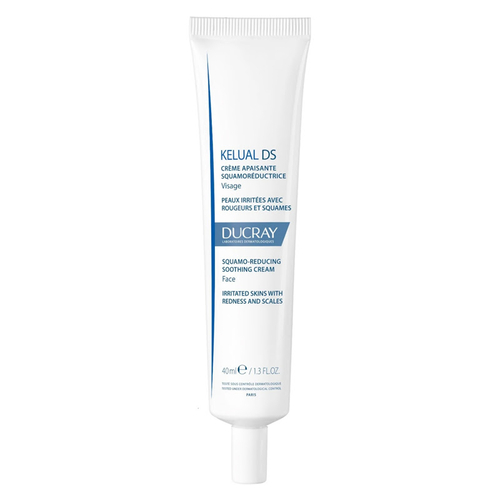
KelualDs Crème Apaisant Squamoréductrice
DUCRAY

DS Shampoo - D Aveia
D'AVEIA

Kelual Émulsion Kératoréductrice
DUCRAY

Nutradeica Gel-Cream Face
ISDIN

Sensibio DS+ Soothing Purifying Cream
BIODERMA

Sensibio DS+ Gel Nettoyant Apaisant
BIODERMA
About Seborrheic Dermatitis
Seborrheic dermatitis is a chronic inflammatory skin condition that affects millions of people at different stages of life and primarily appears in areas rich in sebaceous glands. Discussing seborrheic dermatitis involves addressing a topic deeply connected to skin balance, skin health, and the impa... show more
Controlling oiliness and flaking requires specific care for seborrheic dermatitis. Using medicated shampoos and soaps with ketoconazole, piroctone olamine, or salicylic acid helps reduce sebum production and flaking. Regularly cleansing the skin and scalp prevents the buildup of oil and residues. Avoiding harsh products, such as strong soaps or alcohol, preserves the skin barrier. Moisturizing with light lotions or creams recommended by a dermatologist keeps the skin balanced. Maintaining healthy lifestyle habits, a balanced diet, and stress reduction helps minimize flare-ups. A consistent routine helps control symptoms, reduces redness, and keeps the skin healthier and more comfortable.
To relieve redness and irritation in seborrheic dermatitis, it is important to use soothing and non-irritating products. Shampoos with antifungal ingredients and gentle lotions help reduce inflammation and itching. Avoiding scratching and rubbing the skin prevents worsening of redness. Applying light, fragrance-free moisturizers strengthens the skin barrier. Keeping the scalp clean and drying it carefully after washing prevents fungal growth. Reducing stress and maintaining a balanced diet also help control flare-ups. These daily care measures provide immediate comfort and prevent the worsening of flaking and irritation.
An effective daily routine to prevent flare-ups includes regular cleansing with gentle antifungal products applied to the scalp and affected areas. Avoiding harsh soaps and alcohol helps maintain skin balance. Moisturizing dry areas with light lotions protects the skin barrier. Using a physical sunscreen on exposed areas prevents sun-induced inflammation. Additionally, reducing stress, maintaining a balanced diet, and getting adequate sleep support skin health. Avoiding scratching or manipulating affected areas prevents worsening of seborrheic dermatitis. Following this routine daily minimizes flaking, redness, and excessive oiliness, keeping the skin healthy and comfortable.
Dermatological treatments for seborrheic dermatitis include shampoos and creams with ketoconazole, piroctone olamine, or selenium sulfide, which control sebum production and reduce inflammation-causing fungi. Creams with salicylic acid or ciclopirox help remove flaking and balance oiliness. Light moisturizers strengthen the skin barrier and prevent dryness. In persistent cases, dermatologists may recommend low-concentration topical corticosteroids to reduce inflammation. Maintaining regular hygiene habits and a daily care routine enhances the effectiveness of these treatments. The proper combination of antifungal products, moisturizers, and skin protection helps control symptoms and prevent future flare-ups.
Early symptoms of seborrheic dermatitis include redness, fine or yellowish flaking, itching, and an oily sensation in areas such as the scalp, face, or eyebrows. Recognizing these signs early allows for preventive treatments before the condition worsens. Noticing changes in skin texture, increased oiliness, or small flaky patches indicates the need for specific care. Constant observation, combined with gentle antifungal products and proper hydration, reduces the risk of inflammation and discomfort. Consulting a dermatologist upon noticing early symptoms ensures correct diagnosis and effective treatment, preventing more severe flare-ups and promoting long-term skin health.

4.4 in 5
Based on the opinions of 560 people

4.6 in 5
Based on 438 reviews
