
Sunscreen for Children
Peru
Children’s Sunscreen with Gentle Formula and Safe Protection.
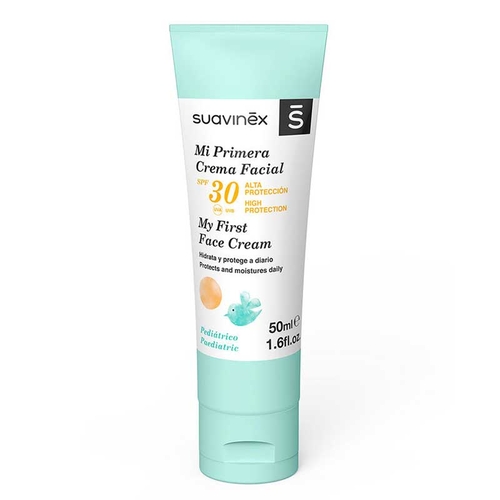
My First Face Cream SPF30
SUAVINEX

Sun System Pro-DNA Complex Baby SPF50
RILASTIL

Babies & Kids Sensitive Roll-on SPF50+
NIVEA

Babies & Kids Sensitive SPF50+
NIVEA
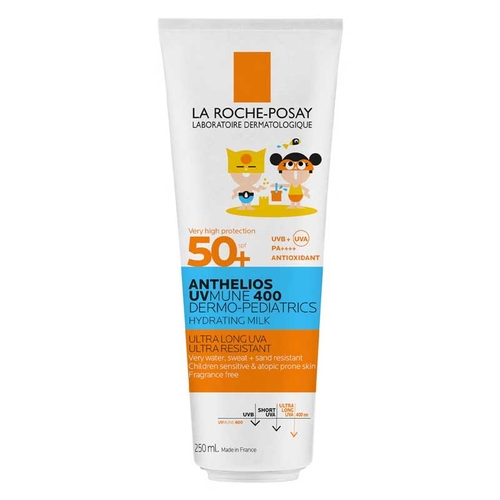
Anthelios UVMune 400 D-Pediatrics Milk
LA ROCHE POSAY

Anthelios UVMune 400 D-Pedi Fluid SPF50+
LA ROCHE POSAY
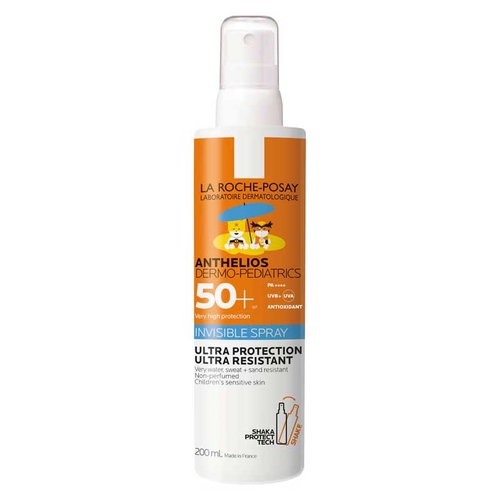
Anthelios Dermo-Pediatrics Spray SPF50+
LA ROCHE POSAY

Capital Soleil Kids Water Spray SPF50+
VICHY
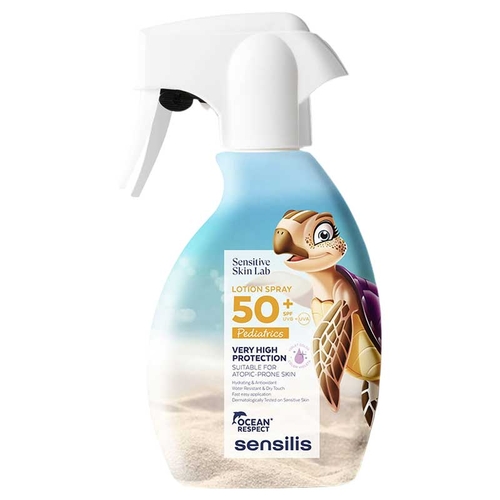
Pediatrics Lotion Spray SPF50+
SENSILIS
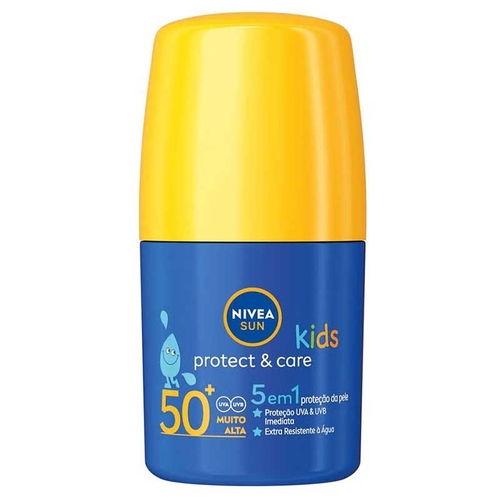
Nivea Sun Kids protect and care 5in1
NIVEA

Babies & Kids Sensitive 5in1 SPF50+
NIVEA
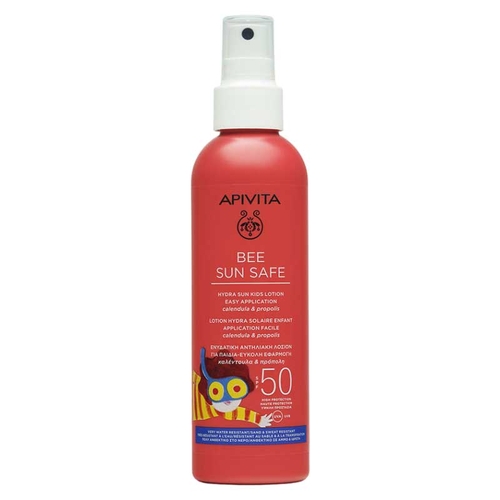
Bee Sun Safe Hydra Sun Kids Lotion SPF50
APIVITA
About Sunscreen for Children
Sunscreen for children is an essential item for protecting the health and well-being of young skin. Children's skin is much more delicate and sensitive than adults', making daily use of children's sunscreen indispensable to prevent sunburn, damage caused by UVA and UVB rays, premature aging, and, in... show more
For outdoor activities, choose a children's sunscreen with SPF 30 or higher, water-resistant, and hypoallergenic. Physical formulas with zinc oxide or titanium dioxide offer immediate protection and minimize irritation. Milk or gel textures facilitate even application, including delicate areas like the face and ears. Ensure the product is dermatologically tested and suitable for sensitive skin. Reapplying every two hours or after swimming ensures continuous protection, providing safety and comfort during play, sports, and outings.
Choose sunscreens with SPF 30 or higher, hypoallergenic, and with safe physical or chemical filters. Check the label for water resistance, usually 40 to 80 minutes. Prefer lightweight formulas that spread easily and do not run, avoiding irritation. Apply generously to all exposed areas. Water resistance is essential for children who swim, sweat, or play, ensuring continuous protection and preventing burns and damage to sensitive skin.
High-SPF sunscreens offer significant protection but do not guarantee 100% against sunburn. It is essential to apply correctly in adequate amounts, reapply every two hours, and after contact with water or heavy sweating. Wearing clothing, hats, and seeking shade complement protection. SPF 50+ products significantly reduce the risk of burns, but prolonged sun exposure without additional precautions can still damage sensitive skin. High SPF should be part of a complete protection strategy.
Yes, as long as it is applied in adequate amounts and is a hypoallergenic product. Milk or cream formulas allow for even application, preventing irritation on sensitive skin. It is important to cover all exposed areas, such as ears, neck, arms, and legs. For the face, prefer specific or fragrance-free products to prevent allergies. Reapplying every two hours or after contact with water or sweat ensures continuous protection during outdoor activities, at the beach, or in the pool.
Yes, many children's sunscreens combine vitamins like A, C, and E, which promote hydration and antioxidant protection without compromising hypoallergenicity. Ensure the formula is free of parabens, strong fragrances, and alcohol to maintain safety for sensitive skin. Products that combine sun protection and vitamins strengthen the skin barrier, prevent sun damage, and maintain comfort while preventing irritation, making them ideal for daily use in children.

4.4 in 5
Based on the opinions of 560 people

4.6 in 5
Based on 438 reviews
