
First Aid
Slovenia
First Aid with Essential Products for Emergencies.
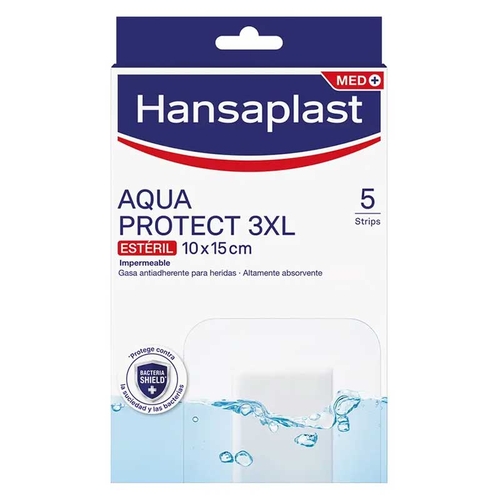
Aqua Protect 3XL Plasters
HANSAPLAST

Kids Aqua Protect Strips
HANSAPLAST

Foot Expert Mix
HANSAPLAST
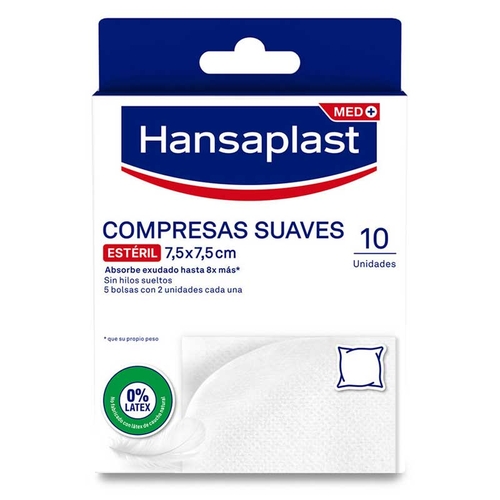
Soft Compress Sterile
HANSAPLAST

Classic Adhesive Plaster
HANSAPLAST
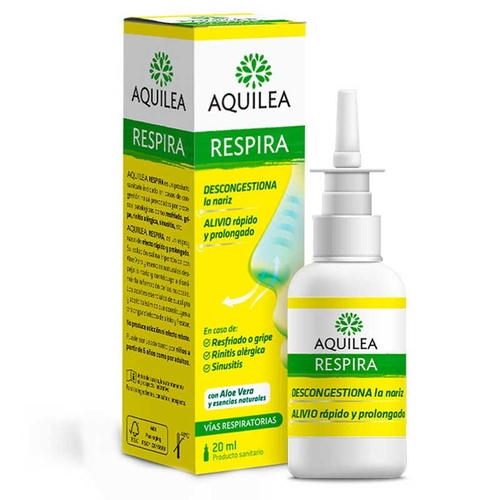
Respira Nasal Spray
AQUILEA
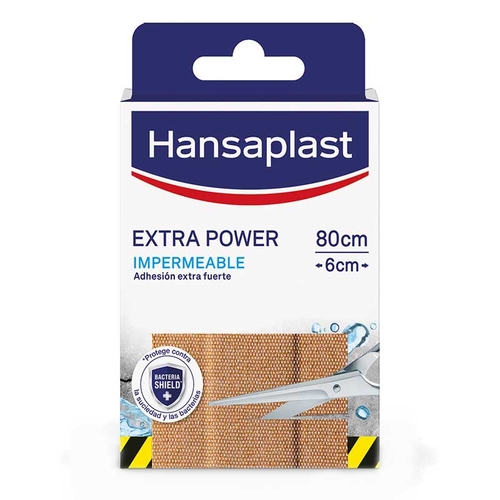
Extra Power Tape Remover
HANSAPLAST

HP Elastic Dressing Strips
HANSAPLAST

Adjustable Back Support
HANSAPLAST
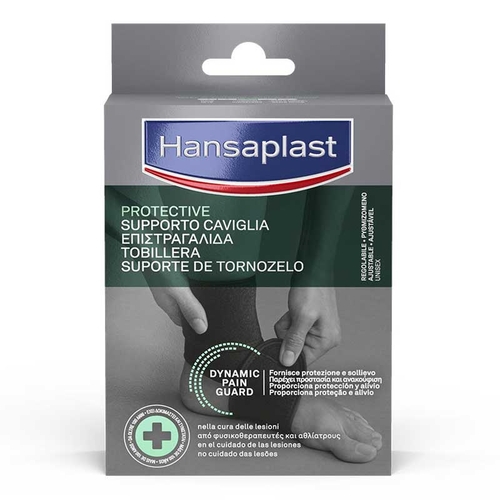
Adjustable Ankle Support
HANSAPLAST

Adjustable Wrist Support
HANSAPLAST
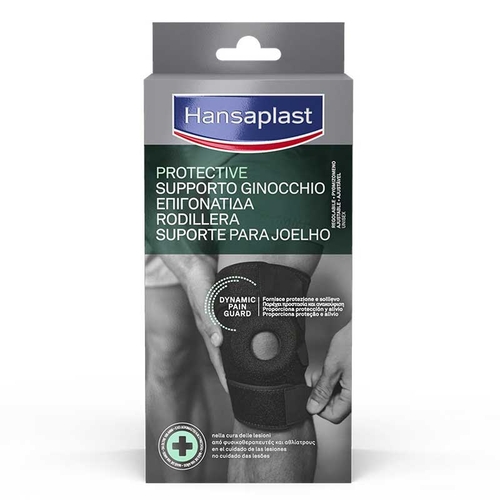
Adjustable Knee Support
HANSAPLAST
About First Aid
First aid plays an essential role in protecting health and life in unexpected situations, representing a set of fundamental emergency care measures that can determine the difference between a quick recovery and the worsening of an injury or condition. Discussing first aid means addressing the immedi... show more
A basic home first aid kit should include sterile gauze, adhesive bandages, cotton pads, medical tape, bandages, disposable gloves, antiseptic solution, antibiotic ointments, thermometer, scissors, tweezers, and common pain relievers. Products such as 70% alcohol, hydrogen peroxide, and saline solution are indispensable for wound cleaning. Keeping the kit well-organized and easily accessible ensures a quick response to cuts, scratches, minor burns, and other incidents. In addition to the items, it is recommended to have basic first aid instructions on hand. A complete kit promotes safety, reduces the risk of infection, and allows minor injuries to be treated effectively until professional help arrives.
For minor cuts and scratches, start by washing your hands and the affected area thoroughly. Clean the wound with running water or saline solution, removing dirt and debris. Avoid pure alcohol or harsh products that irritate the skin. Apply a mild antiseptic or antibiotic ointment to prevent infection. Cover the injury with a sterile bandage or clean gauze, ensuring protection against contaminants. Change the dressing daily or whenever it gets dirty or wet. Monitor for signs of infection, such as redness, swelling, or discharge. Following these steps helps the wound heal faster while keeping the skin clean and protected.
Infection prevention starts with immediate wound cleaning. Wash your hands before touching the injury and use running water or saline solution to remove dirt and bacteria. Avoid irritating products such as pure alcohol or excessive iodine. Apply an antibiotic or mild antiseptic ointment to create a protective barrier. Cover with sterile gauze or bandages, keeping the area clean and dry. Change the dressing regularly and monitor for signs of inflammation. These simple measures significantly reduce the risk of infection, speed up healing, and ensure that minor domestic injuries are treated safely.
For home emergencies, keep a fully stocked kit with sterile gauze, compresses, bandages, adhesive bandages, medical tape, disposable gloves, scissors, tweezers, and a thermometer. Include antiseptic solutions, antibiotic ointments, pain relievers, anti-inflammatory medications, and products for minor burns, such as aloe vera gel. Keep first aid instructions handy to guide quick interventions. A well-equipped kit allows you to treat cuts, scratches, burns, and other unexpected incidents safely, minimizing the risk of infection and complications, and providing peace of mind at home.
For minor burns, immediately rinse the area with cold running water for 10 to 20 minutes to reduce skin temperature. Avoid direct ice, inappropriate ointments, or rubbing the area. Cover with clean gauze and apply a burn-specific ointment if available. For falls, check for cuts, bruises, or sprains; clean superficial wounds and apply cold compresses to bruises or swollen areas. Avoid moving limbs suspected of fractures. Monitor for signs of complications, such as severe pain, increasing redness, or blisters. Following these steps helps minimize damage, prevent infections, and support recovery without worsening the injury.

4.4 in 5
Based on the opinions of 560 people

4.6 in 5
Based on 438 reviews
