
Foot Care
Algeria
Foot Care for Hydration, Comfort, and Daily Well-Being.

Repairing Cream For Feet
LETI
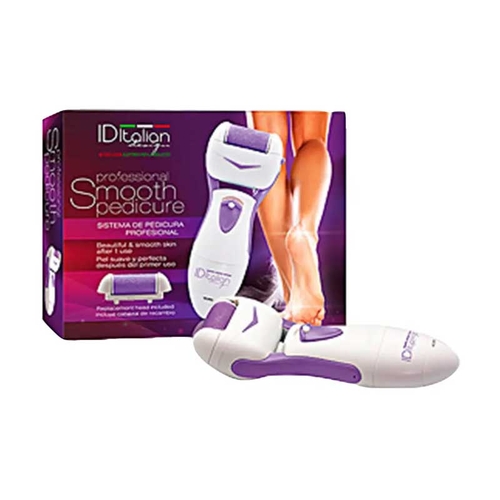
Smooth Pedicure Professional System
ID ITALIAN

Manuka Honey Foot & Heel Cream
DR. ORGANIC

Corn Plasters Medium
COMPEED
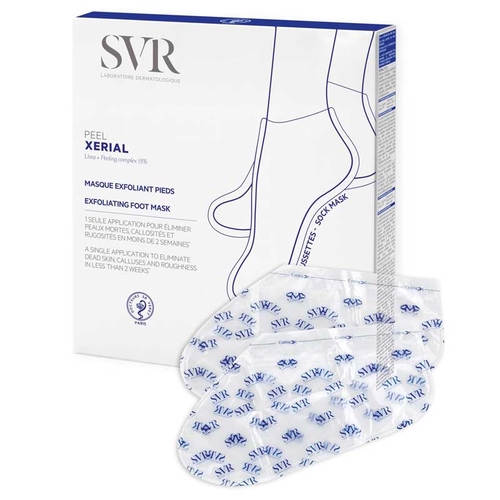
Xerial Peel Exfoliating Foot Mask
SVR

Karité Confort Foot Cream
L'OCCITANE

Karité Confort Foot Balm
L'OCCITANE

Sport Foot Balm
WELEDA

Calming Foot Cream
EUDERMIN

Callus Foot Cream
BABARIA
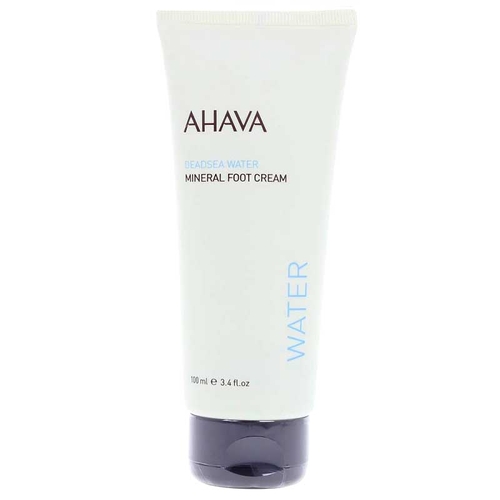
Deadsea Water Mineral Foot Cream
AHAVA

Velvet Smooth Persistent Hardness Refill
DR. SCHOLL
About Foot Care
Foot care is essential to maintain the health, comfort, and appearance of the feet—vital parts of the body that support body weight daily and enable the mobility needed for everyday activities. Although often neglected, feet deserve special attention, as they are prone to various issues, including... show more
Effective treatment of calluses, cracks, and dry heels involves intense hydration, exfoliation, and skin protection. Foot scrubs remove dead cells, while creams with urea, shea butter, or glycerin promote deep repair. Applying the cream at night and wearing cotton socks increases absorption and speeds up regeneration. For calluses, gentle files or pumice stones are recommended, avoiding cuts that could cause infections. Daily hydration, along with maintaining cleanliness and wearing comfortable shoes with breathable socks, prevents new cracks and keeps feet soft, healthy, and free of roughness. This routine also protects against discomfort and chronic problems.
Gentle scrubs with fine particles or mild chemical agents, such as lactic acid or low-concentration sea salt, are ideal for regular use. Formulas that combine vegetable oils with mechanical exfoliation protect the skin against dryness or micro-injuries. Application is recommended once or twice a week, gently massaging rough areas, especially heels and the soles of the feet. After exfoliation, applying a nourishing cream enhances hydration. Hypoallergenic and dermatologically tested scrubs ensure soft, healthy feet ready to absorb moisturizing treatments without irritation, keeping the skin resilient and smooth.
Preventing blisters and swelling includes wearing appropriate shoes, breathable socks, and ensuring proper shoe fit. Applying powders or protective creams reduces friction, avoiding blisters. During exercise, breaks for stretching and elevating the feet improve circulation and reduce swelling. Regularly moisturizing the skin maintains elasticity, preventing tears under pressure. In case of blisters, do not pop them; protect with specific dressings and continue moisturizing. These practices ensure daily comfort, prevent pain and irritation, and maintain the health, mobility, and well-being of active feet.
Keeping toenails healthy requires regular cleaning, proper trimming, and cuticle hydration. Avoid cutting nails too short to prevent ingrown nails. Nutrient-rich oils, such as jojoba oil or vitamin E, strengthen nails and cuticles. Proper footwear and ventilation help prevent fungal infections. Lightly exfoliating the area around the nail promotes moisturizer absorption. For fragile nails, strengthening creams and serums stimulate healthy growth. These daily practices keep nails strong, beautiful, and free from peeling, cracks, or fungal infections, ensuring both health and aesthetics.
The ideal cream for dry or sensitive feet should contain deep moisturizing agents such as urea, shea butter, glycerin, or almond oil. Gentle and hypoallergenic formulas reduce the risk of irritation. For sensitive feet, avoid strong fragrances and harsh preservatives. Creams with reparative effects and protective barriers maintain hydration longer. Applying at night, complemented with cotton socks, enhances results. Dense creams provide intense hydration, while lighter versions are suitable for daily maintenance. Choosing the right cream ensures soft, nourished, and comfortable feet, preventing dryness, cracks, and discomfort.

4.4 in 5
Based on the opinions of 560 people

4.6 in 5
Based on 438 reviews
