
Psoriasis
Algeria
Psoriasis Treatments with Dermatological Efficacy.
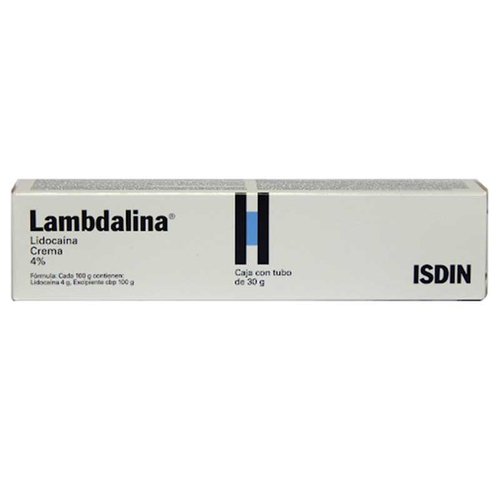
Lambdalina 40mg/g Cream
ISDIN

Pigment Zero DSP-Antiox Capsules
MARTIDERM

Xerial DM Psoriasis
SVR

Psorisdin Emollient Daily Lotion
ISDIN
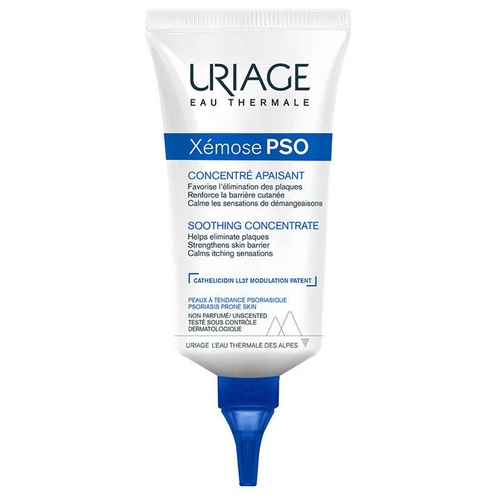
Xémose PSO Itch Soothing Concentrate
URIAGE
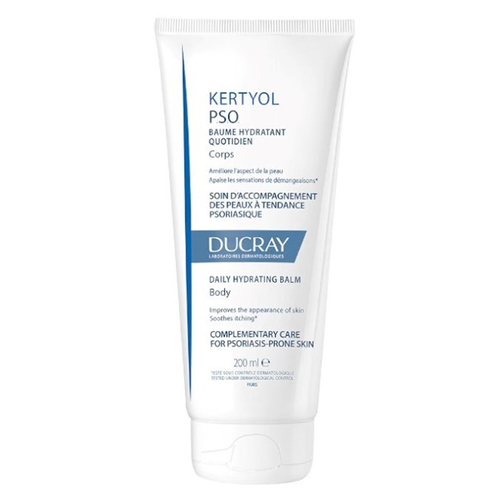
Kertyol P.S.O. Daily Hydrating Balm
DUCRAY

Kertyol P.S.O. Concentrate Local Use
DUCRAY

Pso Skin Psorisdin Daily Cream
ISDIN
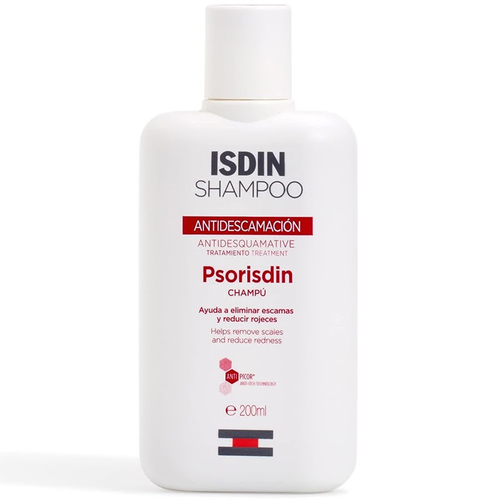
Pso Skin Psorisdin Shampoo
ISDIN

Nodé K Shampooing Kérato-Réducteur
BIODERMA
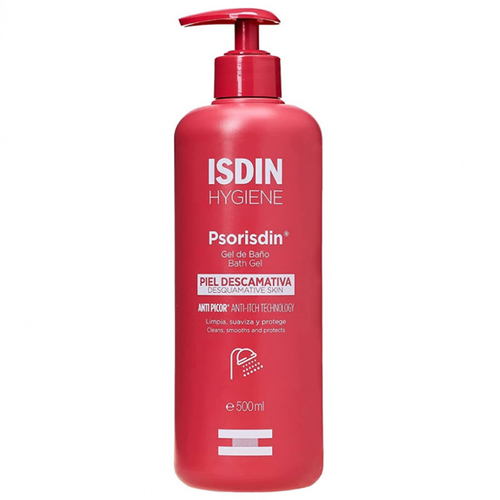
Psorisdin Bath Gel Desquamative Skin
ISDIN
About Psoriasis
Psoriasis is a chronic skin condition that affects millions of people worldwide, characterized by inflammation, flaking, and redness in various areas of the body. Understanding psoriasis is essential to establish an effective care routine, as this condition requires constant attention and appropriat... show more
To reduce psoriasis flaking and redness, the daily routine should combine gentle cleansing and intensive hydration. Short warm baths with neutral soaps prevent dryness and itching. Applying moisturizing creams or ointments rich in urea, ceramides, or vegetable oils helps soften plaques and restore the skin barrier. Avoiding scratching or rubbing affected areas minimizes inflammation. Soothing products with aloe vera or panthenol relieve redness and irritation. Maintaining healthy habits, such as a balanced diet, stress reduction, and adequate sleep, helps prevent flare-ups. Following a consistent daily routine helps control symptoms, promoting comfort and a more even skin appearance.
Hydrating and protecting psoriatic skin is essential to minimize irritation and flaking. Thick creams or ointments with urea, glycerin, or ceramides retain skin moisture and strengthen the skin barrier. Applying products immediately after bathing increases absorption and reduces dryness. Avoiding harsh soaps, alcohol, and perfumes prevents additional irritation. Wearing cotton clothing and using physical sun protection on exposed areas helps reduce friction and inflammation. Maintaining internal hydration and healthy habits complements topical care. A daily routine of hydration and protection promotes comfort, prevents flare-ups, and contributes to the overall health of psoriatic skin.
Topical treatments for psoriasis include mild to moderate corticosteroids, which reduce inflammation and redness. Products with calcipotriol or therapeutic tar help control flaking and normalize cell turnover. Moisturizing creams and ointments with urea, ceramides, or vegetable oils strengthen the skin barrier and minimize itching. During flare-ups, applying soothing compresses and keeping the skin hydrated enhances treatment effects. Avoiding scratching or manipulating lesions prevents secondary infections. Dermatological follow-up is essential to personalize therapy and adjust products according to psoriasis severity. A proper topical routine relieves symptoms and improves daily well-being.
Adapting a routine for psoriatic skin requires gentle cleansing, frequent hydration, and protection against irritation. For the face, using neutral and alcohol-free products maintains balanced skin. For the body, short baths with mild soaps and the application of creams rich in ceramides or urea help reduce flaking. Avoiding harsh exfoliation and synthetic clothing minimizes inflammation. Physical sunscreen on exposed areas prevents redness and photosensitivity. Maintaining internal hydration and healthy lifestyle habits complements daily care. Personalizing the routine according to lesion severity helps control symptoms, prevent flare-ups, and promote comfort, health, and an even skin appearance.
Strengthening the skin barrier in psoriasis is essential to reduce inflammation and flaking. Daily hydration with creams rich in ceramides, urea, and vegetable oils restores essential skin lipids. Applying products immediately after bathing increases absorption and maintains natural moisture. Avoiding harsh soaps, alcohol, and irritants preserves skin integrity. Physical sun protection prevents additional damage, while cotton clothing reduces friction. A balanced diet, internal hydration, and stress reduction support barrier function. In more severe cases, dermatologists may recommend medicinal topical treatments. These combined methods strengthen the skin, prevent flare-ups, and promote lasting health and comfort.

4.4 in 5
Based on the opinions of 560 people

4.6 in 5
Based on 438 reviews
