
Hair Color
Hong Kong
Hair Coloring for Vibrant, Long-Lasting Shades and Highlights.
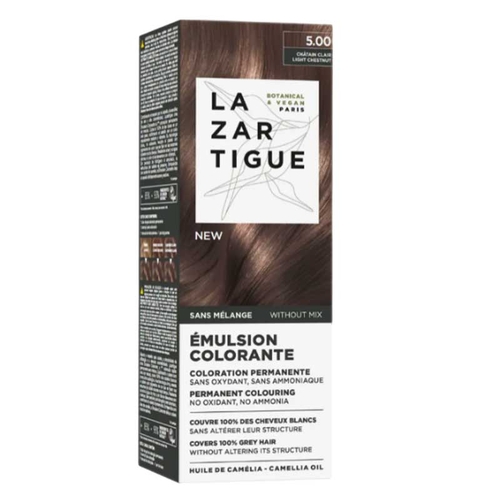
Colorant Emulsion
LAZARTIGUE
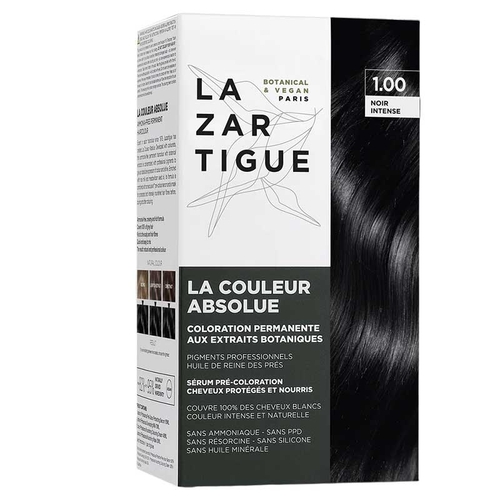
Absolute Color
LAZARTIGUE
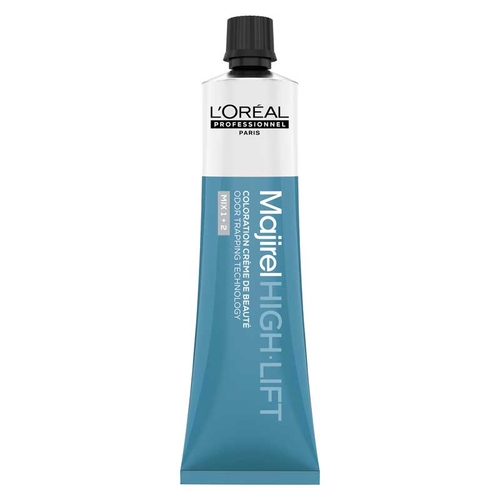
Majirel High Lift
L'ORÉAL PROFESSIONEL
Majirel Cool Cover
L'ORÉAL PROFESSIONEL
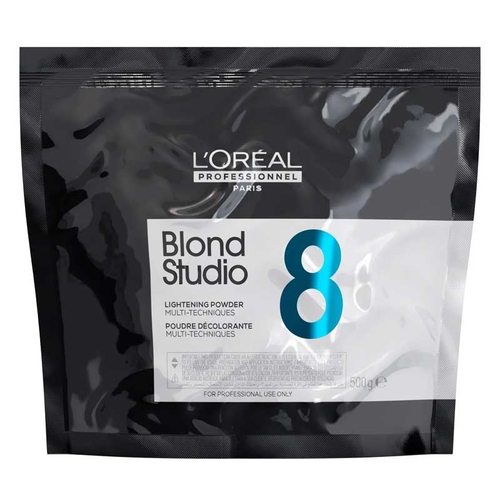
Blond Studio 8 Lightening Powder
L'ORÉAL PROFESSIONEL
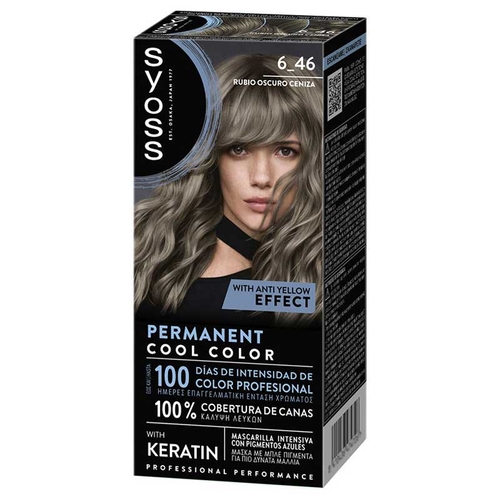
Permanent Cool Color
SYOSS
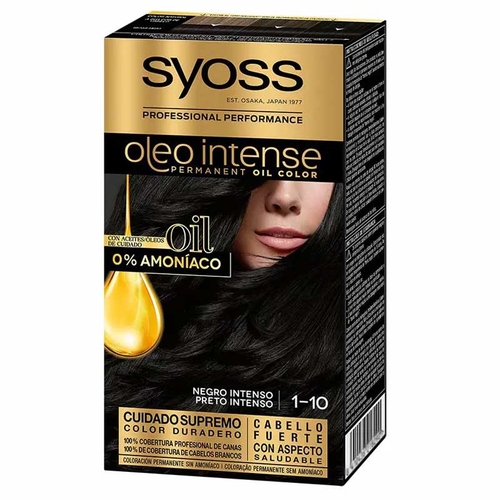
Oil Intense Permanent Oil Color
SYOSS
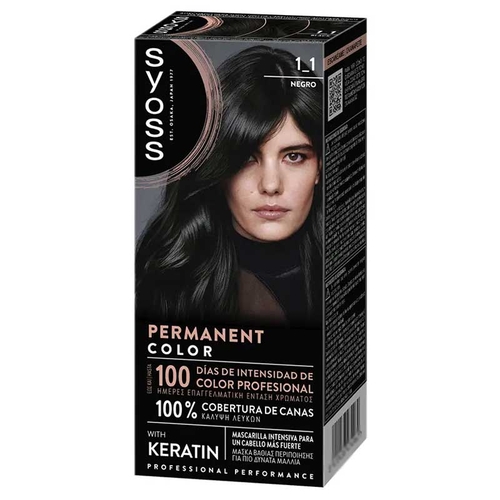
Syoss Permanent Color With Keratin
SYOSS
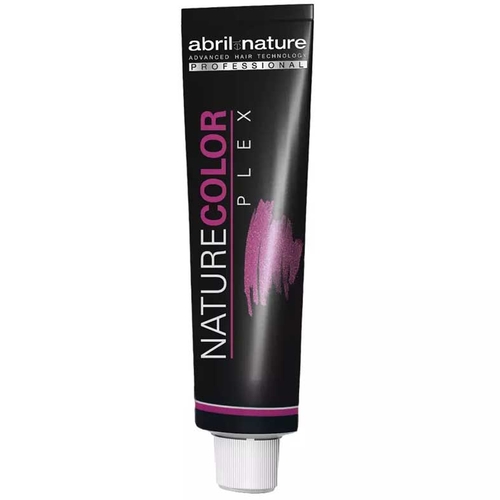
Nature Color Plex
ABRIL ET NATURE
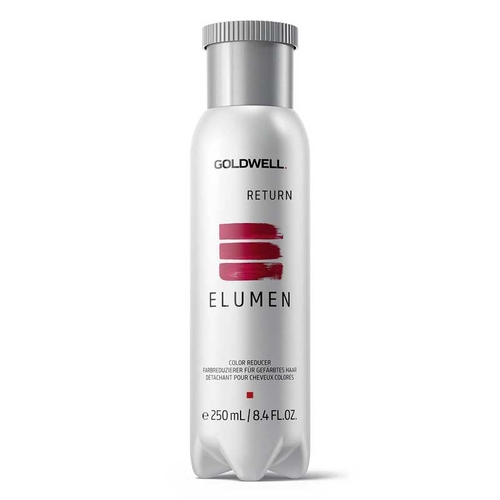
Elumen Return Color Reducer
GOLDWELL
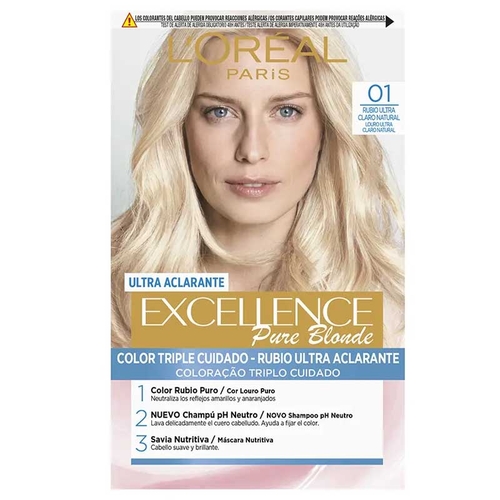
Excellence Pure Blonde
L'ORÉAL PARIS
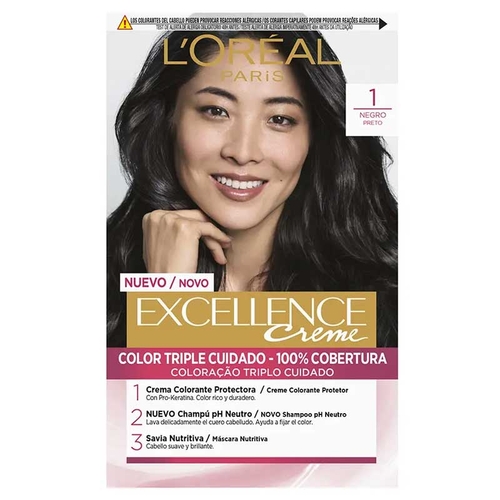
Excellence Creme
L'ORÉAL PARIS
About Hair Color
Hair coloring is one of the oldest, most complete, and versatile practices in the world of hair care, present across different cultures, eras, and styles as a powerful form of personal expression, enhancement of natural beauty, and response to specific aesthetic needs. Far more than a simple change ... show more
Hair coloring is mainly divided into permanent, semi-permanent, temporary, and toner types, each addressing specific needs and goals. Permanent coloring alters the internal structure of the hair, allowing long-lasting color changes and ensuring effective coverage of gray hair. Semi-permanent coloring deposits pigments in the hair fiber less aggressively, providing color for several weeks with gradual fading. Temporary coloring is ideal for short-term changes, events, or seasonal looks, disappearing after a few washes. To choose the ideal color, it is essential to evaluate hair health, natural tone, the presence of gray hair, and the desired outcome. Fragile hair benefits from toners or gentle coloring, while more intense changes require permanent coloring combined with prior care. Consulting a professional hair colorist helps ensure uniform, long-lasting results suitable for the hair's characteristics.
To prolong the durability of hair color, it is essential to adopt a specific care routine. Avoiding frequent washing and very hot water helps reduce color fading. Using shampoos and conditioners for colored hair is crucial, as these products protect the pigments and maintain hair fiber hydration. Nourishing hair masks and weekly treatments strengthen the hair and preserve color intensity. Applying heat protectant before using heat tools, like a blow dryer or straightener, reduces pigment oxidation. Avoiding excessive sun exposure, seawater, and chlorinated pools also contributes to long-lasting, shiny hair color.
Before applying permanent or semi-permanent color, it is essential to assess hair condition. Dry, porous, or brittle strands should be prepared with hydration or hair reconstruction. A strand test is indispensable to check for possible allergic reactions and observe how the hair reacts to the chosen color. Considering previous colorings, bleaching, or other chemical processes prevents undesirable results. Using protective products for the hair fiber during the process helps minimize damage. It is recommended that hair be clean, but not freshly washed, so natural oils protect the scalp and promote uniform and safe coloring.
Hair coloring alters the structure of the hair fiber and, when done without proper care, can cause dryness, fragility, and loss of shine. Frequent processes, bleaching, and ammonia-containing products intensify these effects. To minimize damage, it is essential to use deep hydration masks, nourishing conditioners, and protein-rich leave-ins that strengthen the hair. Products with ceramides, natural oils, and repairing agents help restore elasticity and softness. Choosing ammonia-free or gentle hair coloring reduces chemical impact and contributes to healthier, shinier hair with long-lasting color.
Yes, it is possible to apply color to both natural and previously colored hair, provided a careful assessment of hair health and chemical history is conducted. In colored hair, residual pigments may interfere with the final result, requiring strand tests and, in some cases, tone adjustments. Natural hair tends to produce more predictable and uniform results, while previously colored hair may require neutralization or blending of tones. Using conditioning and strengthening treatments before and after coloring helps protect the hair fiber, ensuring vibrant, uniform, and long-lasting color without compromising hair health.

4.4 in 5
Based on the opinions of 560 people

4.6 in 5
Based on 438 reviews
