
Children Sunscreen
Australia
Sun Protection for Children with Gentle and Safe Formulas.

High Protection Sunscreen SPF50+
FRESHLY COSMETICS
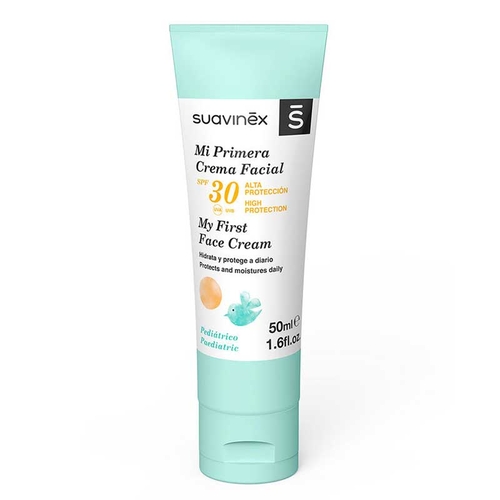
My First Face Cream SPF30
SUAVINEX

Sun System Pro-DNA Complex Baby SPF50
RILASTIL

Babies & Kids Sensitive Roll-on SPF50+
NIVEA

Babies & Kids Sensitive SPF50+
NIVEA

Baby Care Mineral Sunscreen SPF50+
E'LIFEXIR

Kids SunTan Lotion SPF50
MEDITERRANEO SUN
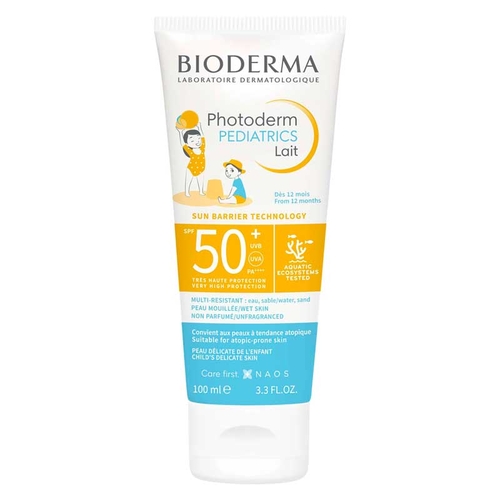
Photoderm Pediatrics Milk SPF50+
BIODERMA
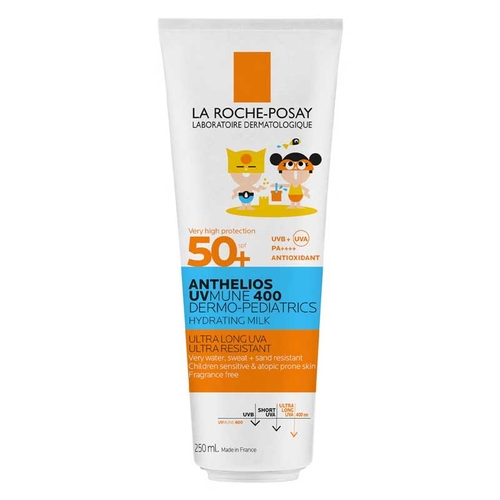
Anthelios UVMune 400 D-Pediatrics Milk
LA ROCHE POSAY

Anthelios UVMune 400 D-Pedi Fluid SPF50+
LA ROCHE POSAY
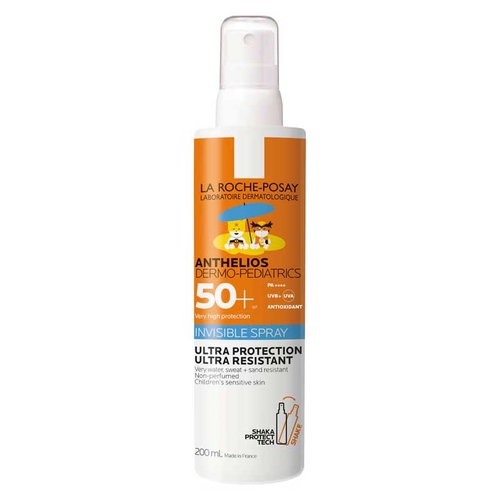
Anthelios Dermo-Pediatrics Spray SPF50+
LA ROCHE POSAY

Capital Soleil Kids Water Spray SPF50+
VICHY
About Children Sunscreen
Taking care of children's skin is an essential concern for all parents, as children's skin is naturally more delicate and sensitive than adult skin. Therefore, investing in products specifically designed for children's skincare, such as children's sunscreen, is crucial to ensure their health, well-b... show more
Choosing the correct children's sunscreen depends on the child’s age and skin sensitivity. For babies under six months, direct sun exposure should be avoided, and any sunscreen should be recommended by a pediatrician. For older children, prefer physical formulas with zinc oxide or titanium dioxide, which create a safe barrier, minimize irritation, and provide effective UVA and UVB protection. SPF should be 30 or higher, water-resistant, and hypoallergenic. Milk or cream textures make even application easier. Ensure the product is dermatologically tested, providing safe care and reliable protection for delicate skin.
Daily use of children's sunscreen is essential to protect sensitive skin against the harmful effects of UVA and UVB radiation, preventing burns, spots, irritation, and future risk of skin cancer. Applying sunscreen every day, even on cloudy days, builds skin care habits early and protects sensitive areas such as the face, arms, and legs. Daily protection reduces cumulative damage and premature aging, ensuring children can play outdoors safely with long-term skin health.
Not applying children's sunscreen in summer increases the risk of burns, redness, irritation, and skin allergies. Children's skin is thinner and more sensitive, making it vulnerable to sunstroke, blisters, and intense pain. Frequent sun exposure without protection contributes to spots, premature aging, and a higher likelihood of skin cancer in adulthood. Children who spend hours in outdoor activities are especially exposed, making high-quality sunscreen, reapplied every two hours, essential for continuous safety and protection.
A sunscreen safe for sensitive skin should be hypoallergenic, free of artificial fragrances, parabens, or alcohol. Prefer formulas with physical filters, such as zinc oxide and titanium dioxide, which create a protective barrier without deeply penetrating the skin. Dermatologically and pediatric-tested products offer additional safety. Lightweight textures like milk or gel make even application easier and prevent irritation. Water resistance and appropriate SPF (30 or higher) are important features for active children. Always read the label and follow specific recommendations for sensitive skin.
Children's sunscreens are specially formulated for delicate skin, using gentler and hypoallergenic ingredients. Unlike adult products, physical filters such as zinc oxide and titanium dioxide create a protective barrier without deeply penetrating the skin. Milk or gel textures make application and spreading easier. Children's products avoid strong fragrances, alcohol, and parabens, reducing allergy risks. Additionally, they offer water resistance and higher SPF (30 to 60), ensuring prolonged protection during play, at the beach, or in the pool, while preserving sensitive skin health.

4.4 in 5
Based on the opinions of 560 people

4.6 in 5
Based on 438 reviews
