Body Oil or Moisturizing Cream: Which Is Best for Your Skin?
Bath & Body
Discover the benefits of each and how to choose the right products for hydrated and soft skin.

Dry skin, tightness or a lack of radiance? Discover the differences between body oil and moisturising cream, the benefits of each, and how to choose the best option for soft, nourished and radiant skin.
Keeping your body skin hydrated is essential to maintaining its comfort, softness and healthy appearance. However, when it comes to choosing the right products for your body care routine, a common question arises: body oil or moisturising cream—which is the better option?
Although both are used to care for the skin, there are important differences between these two types of products. Moisturising cream is generally formulated with ingredients that help increase and retain water in the skin, while body oil mainly helps reduce water loss, soften the skin's surface and provide a silkier finish.
The choice depends on several factors, including your skin type, the time of year and the result you want to achieve. If you have dry skin and feel uncomfortable after showering, you may benefit from a rich cream or nourishing body oil. If you prefer a lightweight, fast-absorbing texture, there are also moisturising lotions that fit easily into your daily routine.
What's more, you don't necessarily have to choose just one. Body oil and moisturising cream can complement each other, helping you create a more complete routine, especially when your skin needs extra care.
In this guide, you'll discover the main differences between body oil and moisturising cream, the benefits of each, how to choose the product best suited to your skin type, and which brands you might consider to turn body care into a truly relaxing moment.
1. Body Oil or Moisturising Cream: What Are the Differences?
The main difference between body oil and moisturising cream lies in how each product cares for the skin. Although both help make skin softer, their formulas and functions are not exactly the same.
Body moisturising cream usually contains water, emollients and humectants, such as glycerin, which help attract and retain water in the skin. Depending on the formula, it may also contain ceramides or other ingredients that support the skin barrier. It is a practical option for daily use, especially when the skin is dry or feels tight.
Body oil, on the other hand, is mainly made up of lipid-based ingredients. It helps soften the skin and reduce water loss, providing a comfortable feel and a silky finish. It can be particularly useful for dry skin or for anyone looking for nourishing care with a subtle glow.
In summary:
- Moisturising cream: ideal for providing hydration and helping keep skin comfortable.
- Body oil: suitable for softening and nourishing the skin and helping preserve hydration.
- Using both: may be helpful when the skin is very dry or needs extra care.
There is no universally better option. The most important thing is to choose a formula suited to your skin's needs and use it consistently.
2. When Should You Choose a Body Moisturising Cream?
If you're looking for a product to use every day, body moisturising cream is an excellent choice. Its texture can range from lightweight lotions to richer formulas, allowing you to adapt your routine to your skin type and the time of year.
For dry or very dry skin, creams containing ingredients such as glycerin, ceramides, shea butter or urea can help improve hydration and softness. Lightweight lotions are often more comfortable for those who prefer quick application and faster absorption.
Moisturising cream is also a practical option after showering, when the skin may lose some of its moisture. Applying it to slightly damp skin helps lock in water and maintain a comfortable feel.
Products and brands to consider include:
- CeraVe Moisturising Cream: an option for dry skin, with ceramides and moisturising ingredients that help support the skin barrier.
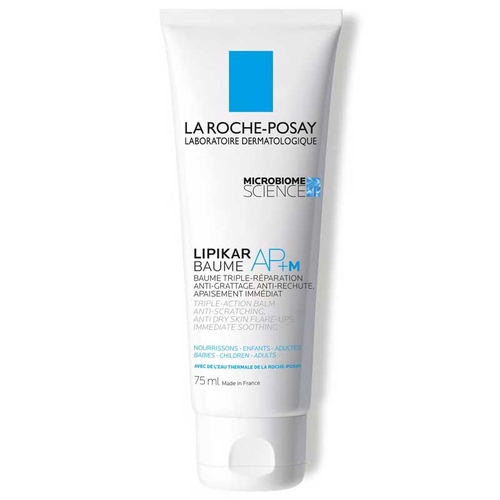
- La Roche-Posay Lipikar Baume AP+M: a balm designed for very dry skin that is prone to atopy.
- Topicrem Ultra-Hydratant Lait Corps: an option for daily body hydration, ideal for anyone looking for softer, more comfortable and hydrated skin.
If you have sensitive skin, choose gentle, fragrance-free formulas whenever possible. The aim is to keep your skin hydrated without causing discomfort.
3. What Are the Benefits of Body Oil?
Body oil is an excellent alternative for anyone looking for softer, nourished skin with a radiant finish. Its lipid-rich composition helps reduce water loss, making it particularly useful when the skin is dry or needs an additional layer of protection.
One of its main benefits is its ability to leave the skin feeling silky. Depending on the formula, it can also provide a subtle glow, making it popular in body care routines, especially during warmer months or for special occasions.
Body oils may contain ingredients such as sweet almond oil, jojoba oil or sunflower oil. However, not all oils have the same properties, and your choice should take the formula and your skin's needs into account.
Options you can explore include:
- Nuxe Huile Prodigieuse: a multi-purpose dry oil known for its radiant finish and use on the body, face and hair, according to the product directions.
- Bio-Oil Skincare Oil: a cosmetic oil used to care for the skin's appearance and improve its softness.
- Clarins Tonic Treatment Oil: a body oil developed for massage and skin care.
If you prefer a lighter texture, look for dry oils or fast-absorbing formulas. Apply a small amount and spread it evenly, avoiding using more product than necessary.
4. Can I Use Body Oil and Moisturising Cream in the Same Routine?
Yes! Combining body oil and moisturising cream can be a good strategy for anyone looking to enhance their skin care, especially in winter or when certain areas are particularly dry.
A simple routine can start with a warm shower and a gentle cleanser. Then apply moisturising cream to slightly damp skin to help maintain hydration. If you want to add body oil, apply a small amount afterwards to help reduce water loss and leave the skin softer.
You can also use the products at different times: moisturising cream in the morning for easy application before getting dressed, and body oil at night as part of a more nourishing routine.
Here are some tips to get the most out of both products:
- After showering: apply moisturising cream to slightly damp skin.
- For very dry areas: boost your routine with a body oil or a richer cream.
- For a quick routine: choose a fast-absorbing moisturising lotion.
- For a radiant finish: apply a small amount of body oil to your legs or arms.
If you have sensitive skin or skin prone to blemishes, observe how it reacts to each formula and avoid products that cause irritation. Also remember that body oil does not replace sunscreen.
It depends on the formula and the skin's needs. Cream often provides humectant and emollient ingredients, while oil helps reduce water loss. In many cases, they can complement each other.
A practical approach is to apply moisturising cream first and body oil afterwards. However, the order may vary depending on the formula and the manufacturer's instructions.
It can be used, but it's best to choose a suitable formula and observe how your skin reacts. For the body, a lightweight lotion may be enough for daily hydration.
Yes, if the formula suits your skin and does not cause irritation. Follow the product instructions and adjust the amount to your needs.
A rich cream containing ingredients such as ceramides, glycerin or urea can be a good choice. In some cases, adding a body oil helps reduce water loss.
Choosing between body oil and moisturising cream doesn't have to be complicated. The key is to understand your skin's needs and select products that offer the right balance of hydration, nourishment and comfort.
If you're looking for a simple everyday routine, start with a good moisturising cream. If you want a silkier, more radiant finish, add a suitable body oil. And when your skin needs extra care, you can combine both.
At Loja Glamourosa, explore different brands and body care formulas to find the products best suited to your routine. Small daily gestures can make a difference to how your skin feels and how you care for it.