
Atopic Dermatitis
Paraguay
Atopic Dermatitis Care for Sensitive and Balanced Skin.
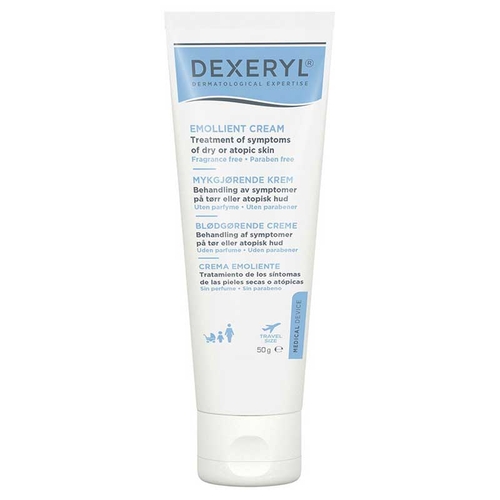
Dexeryl Emollient Cream
DEXERYL
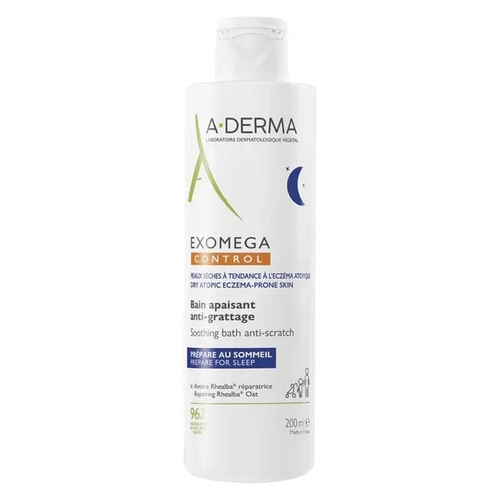
Exomega Control Anti-Scratch
A-DERMA

Exomega Control Night Anti-Scratch
A-DERMA

Dexyane Baume Émolliente Anti-Grattage
DUCRAY

Cutalgan Roll-On Fresh Effect
A-DERMA

Stelatopia+ Lipid-Replenish Cr A-Itching
MUSTELA

Exomega Control Shower Oil Anti-Scratch
A-DERMA
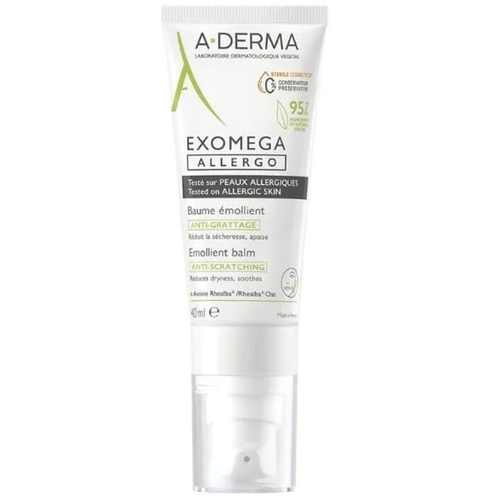
Exomega Allergo Emollient Balm A-Scratch
A-DERMA

AtopiControl Balm Light Texture
EUCERIN

Atopicontrol Acute Care Cream
EUCERIN
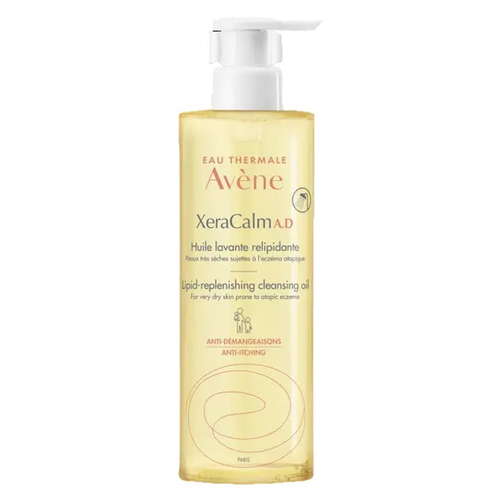
XeraCalm A.D Lavante Relipidant
AVÈNE

Exomega Control Emollient Foaming Gel
A-DERMA
About Atopic Dermatitis
Atopic dermatitis is a chronic and inflammatory skin condition that affects people of all ages and primarily manifests as dry, sensitive, reactive skin often accompanied by intense itching. Atopic skin is characterized by an increased fragility of the skin barrier, making it more vulnerable to exter... show more
Relieving itching and irritation in atopic skin requires a gentle and consistent routine. Avoiding long, hot showers prevents dryness, while neutral, fragrance-free soaps keep the skin protected. Applying moisturizers specifically formulated for atopic dermatitis, rich in ceramides and glycerin, strengthens the skin barrier and reduces itching. Wearing cotton or soft fabrics prevents friction and irritation. Avoiding harsh chemicals, perfumes, and strong detergents is also essential. During flare-ups, soothing creams with ingredients like panthenol or oat extract help calm the skin. Maintaining regular hydration and daily care helps reduce discomfort, prevent inflammation, and keep the skin healthy and protected.
Hydrating and protecting sensitive skin is crucial to prevent atopic dermatitis flare-ups. Lotions or creams rich in ceramides, shea butter, and glycerin strengthen the skin barrier and retain natural moisture. Applying products immediately after bathing helps seal in hydration. Avoiding harsh soaps and very hot water reduces irritation. Cotton clothing and hypoallergenic products minimize contact with irritants. Gentle, fragrance-free physical sunscreen protects sensitive skin from UV radiation. A consistent daily routine prevents dryness, itching, and redness, promoting comfort, well-being, and maintaining the health of atopic skin.
Soothing treatments for atopic dermatitis include creams and ointments with ingredients like panthenol, colloidal oatmeal, and allantoin, which relieve redness and irritation. Formulas containing ceramides and fatty acids restore the skin barrier, preventing recurrent inflammation. In more severe flare-ups, doctors may prescribe topical corticosteroids or mild immunomodulators to reduce inflammation. Cold compresses and calming moisturizers help decrease itching and discomfort. Avoiding triggers, such as harsh chemicals or sudden temperature changes, enhances the effectiveness of treatments. A gentle, consistent daily routine keeps the skin protected, reduces redness, and visibly improves the health of atopic skin.
Strengthening the skin barrier is essential to prevent atopic dermatitis flare-ups. Daily use of moisturizers rich in ceramides, essential fatty acids, and glycerin keeps the skin protected and prevents dryness. Avoiding harsh soaps and very hot water reduces irritation and loss of natural lipids. Applying gentle sunscreen protects against UV radiation, which can worsen inflammation. Cotton and breathable fabrics minimize friction, while adequate internal hydration helps maintain healthy skin. Soothing products with colloidal oatmeal or panthenol strengthen the barrier function and reduce itching. This preventive approach decreases the frequency of flare-ups, improves skin texture, and promotes daily well-being.
For reactive and fragile skin, the daily routine should prioritize gentleness and constant protection. Cleansing with neutral soaps or syndets prevents irritation. Moisturizers rich in ceramides, glycerin, and panthenol restore the skin barrier. Applying fragrance-free physical sunscreen protects against environmental damage. Avoiding products with alcohol, fragrances, or harsh exfoliants minimizes reactions. Maintaining internal hydration and wearing cotton clothing helps reduce discomfort. During flare-ups, cold compresses and soothing creams relieve itching and redness. A consistent daily routine prevents inflammation, strengthens the skin, and ensures comfort, promoting health and well-being even for sensitive or fragile skin.

4.4 in 5
Based on the opinions of 560 people

4.6 in 5
Based on 438 reviews
